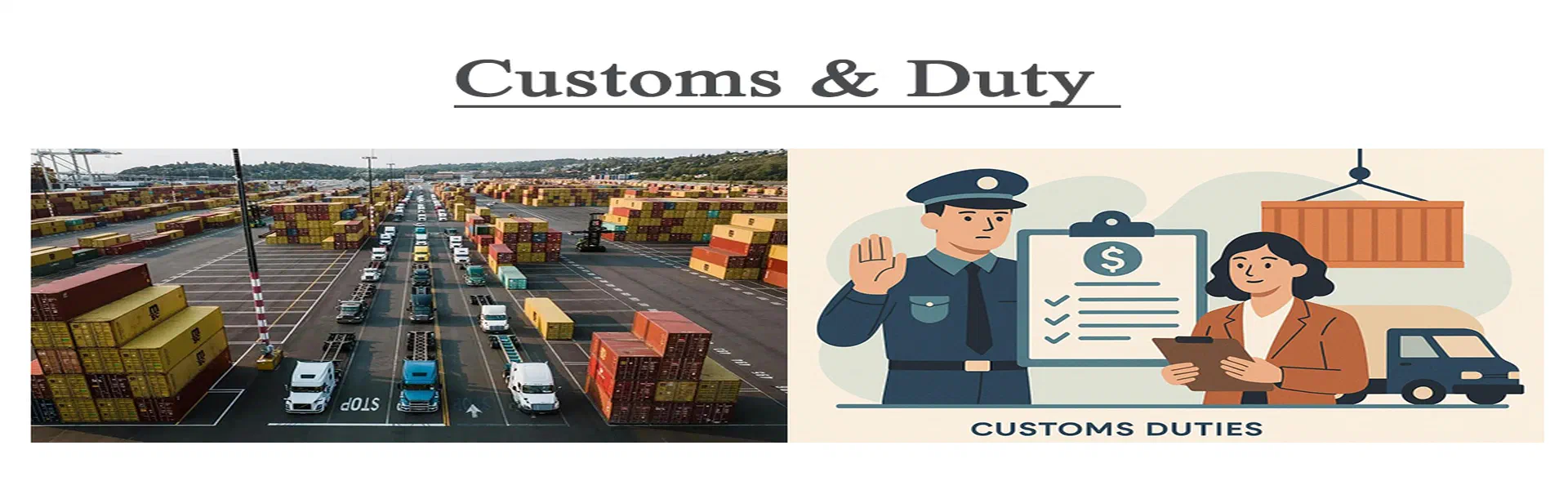
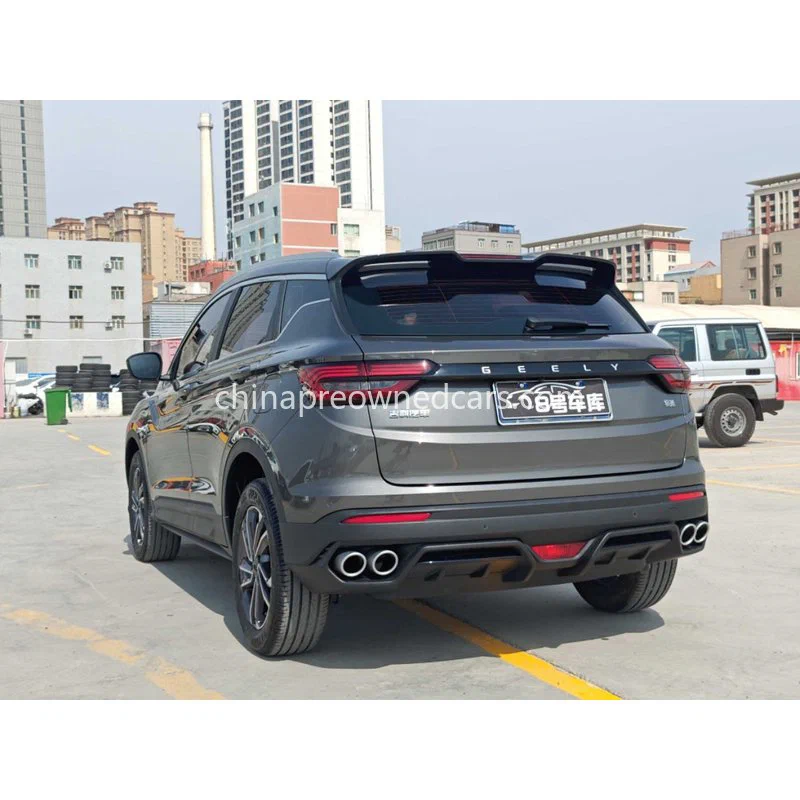
Importing secondhand vehicles from China into Africa can be a profitable venture, but understanding import customs requirements is essential to avoid costly delays or unexpected expenses. African buyers, particularly in West Africa (Ghana, Nigeria) and North Africa, must navigate duty rates, shipping options, and documentation to ensure smooth transactions.
For West African markets like Ghana and Nigeria, import duty is one of the most significant costs. Each country has its own tariff structure, often based on the vehicle’s age, engine capacity, and CIF (Cost, Insurance, and Freight) value. For instance, Nigeria calculates duties as a percentage of the CIF value, while Ghana applies rates based on the Harmonized System (HS) code. It’s crucial to confirm these rates with local customs brokers before shipping. Additionally, vehicles older than 10 years may face restrictions or higher duties in some regions.
Shipping involves two main options: roll-on/roll-off (RoRo) and container shipping. RoRo is the cheaper method, ideal for functional vehicles that can be driven onto the ship. Container shipping, while more expensive, offers better protection for vehicles, making it the preferred choice for higher-value exports. From major Chinese ports like Shanghai or Guangzhou, it typically takes 30-40 days for shipments to reach African ports such as Tema (Ghana) or Lagos (Nigeria). Buyers should also budget for port clearance fees, which vary by destination and port efficiency.
An often-overlooked factor is the vehicle’s condition and documentation. Chinese exporters typically inspect vehicles before shipping, but buyers should request detailed reports on mileage, service history, and photos to confirm the car’s state. Proper documentation, including a bill of lading, export certificate, and invoice, is mandatory for customs clearance. Missing or incomplete paperwork can lead to delays or additional fines.
Conducting due diligence is key to ensuring a smooth import process. Choose experienced exporters with a proven track record in handling shipments to Africa, and work with local agents familiar with the customs process in your destination country.
FAQ
Q: How do I calculate the landed cost of a vehicle in Ghana or Nigeria?
A: The landed cost includes the vehicle price, shipping (CIF), import duties, and port clearance fees. Confirm duty rates and fees with a local customs agent for accuracy.
Q: Are there restrictions on vehicle age for imports into West Africa?
A: Yes, many countries in West Africa, including Nigeria and Ghana, impose higher duties or outright bans on vehicles older than 10 years.
Q: What documents do I need for customs clearance in Africa?
A: Essential documents include the bill of lading, export certificate, commercial invoice, and any required inspection or compliance reports.
Related Articles
 best second-hand auto Dealer Offers Competitive Vehicles With Complete Import Duty Assistance
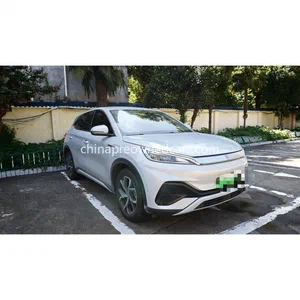 best quality non-new vehicle wholesaler Provides Export Vehicles With Complete Duty Information
 Auto second hand vehicles import customs and duty information for Ghana Nigeria automotive markets
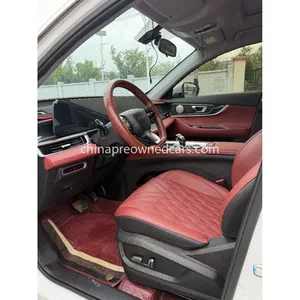 Best time of year to buy a secondhand car considering import duty and customs regulations