Importing pre-owned vehicles from China offers West and North African buyers a cost-effective way to expand their fleets or meet market demand. With competitive pricing and reliable left-hand-drive options, Chinese exporters provide vehicles that fit the needs of both private dealers and commercial buyers. However, understanding shipping methods, customs duties, and overall landed costs is crucial for a smooth import process.
Chinese suppliers often use shipping methods like RoRo (Roll-on/Roll-off) and container shipping. RoRo is more affordable and quicker, ideal for bulk shipments, while container shipping provides extra protection for higher-value vehicles. The shipping cost depends on the vehicle size and port destination, but for West Africa, key ports like Tema in Ghana and Lagos in Nigeria are well-serviced by major shipping routes. Buyers should factor freight costs into their budget early.
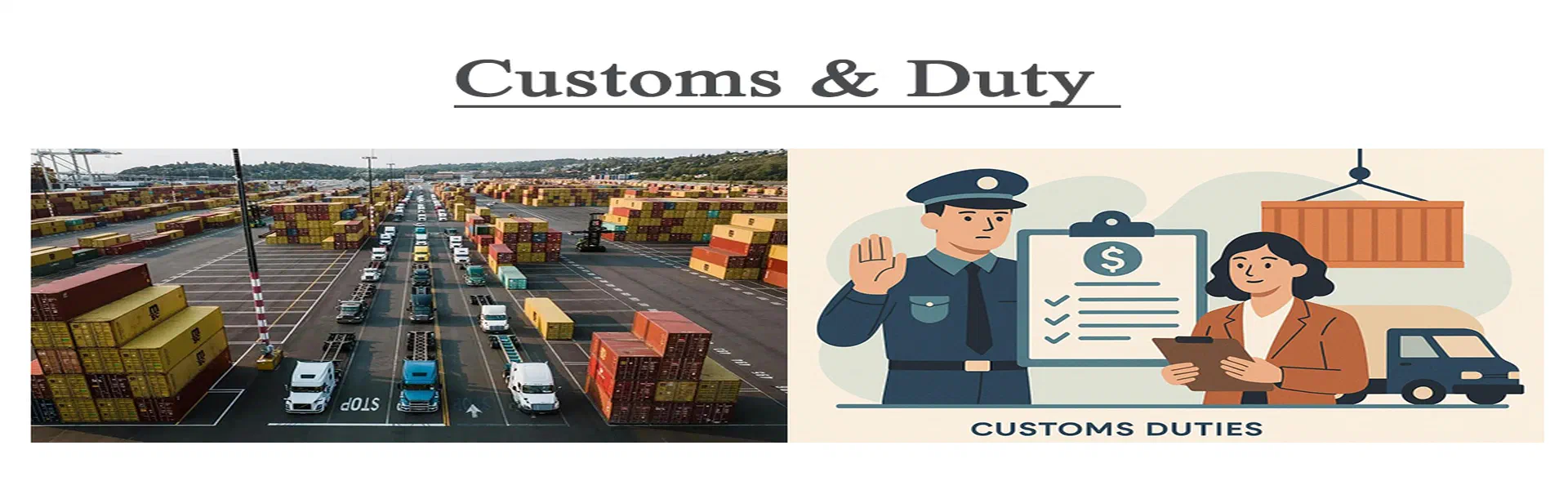
Customs duties and taxes vary by country, with Ghana and Nigeria imposing different rates based on vehicle age, engine size, and type. For example, Nigerian customs often levy higher duties on older vehicles, while Ghana favors newer models with better fuel efficiency. Importers must prepare documentation such as the bill of lading, invoices, and vehicle inspection certificates to ensure smooth port clearance. Working with experienced clearing agents can save time and reduce unexpected costs.

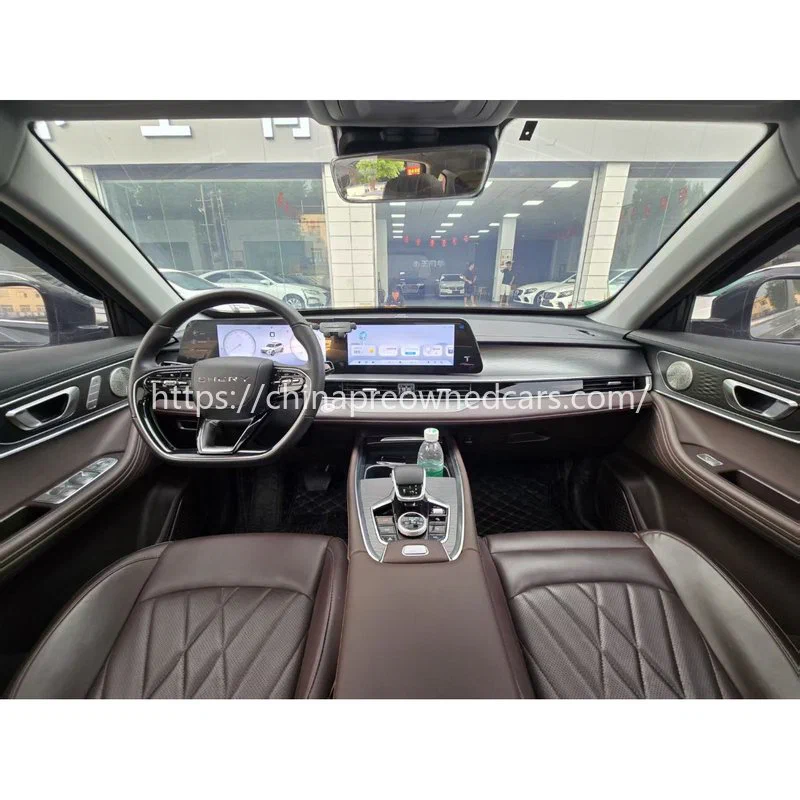
Vehicle condition is another key consideration. Most Chinese exporters provide detailed inspection reports, service history, and mileage records for transparency. Buyers should prioritize low-mileage options and inspect for wear and tear, especially on tires and batteries. For SUVs and crossovers popular in Africa, models like the Chery Tiggo 8 Pro and Geely Coolray offer good ground clearance and durability for local road conditions.
To optimize total cost of ownership, importers should compare FOB (Free on Board) and CIF (Cost, Insurance, and Freight) terms. While FOB may seem cheaper upfront, CIF simplifies logistics by covering transport and insurance costs to the destination port. Evaluating these options carefully can help buyers avoid hidden expenses.
FAQ
Q: What documents are needed to clear imported vehicles at African ports?
A: Commonly required documents include the bill of lading, commercial invoice, packing list, and vehicle inspection certificates.

Q: Are Chinese vehicles reliable for African road conditions?
A: Yes, many models like Chery Tiggo and Haval H6 are designed with durability and ground clearance suitable for Africa’s varied terrain.
Related Articles
 Good condition 2nd hand cars customs and duty process for importing from China
 Best Non-new Vehicles Available With Professional Shipping Support From China To Global Markets
 Cheap Previously Owned Vehicles Wholesaler Offering Budget Friendly Cars From China For Export
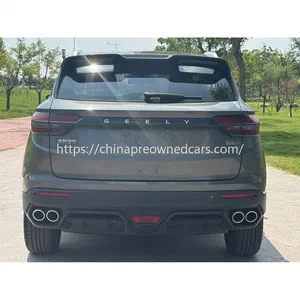 Cheapest Pre-loved Car Supplier Offering Affordable Used Cars For Ghana And Nigeria Buyers