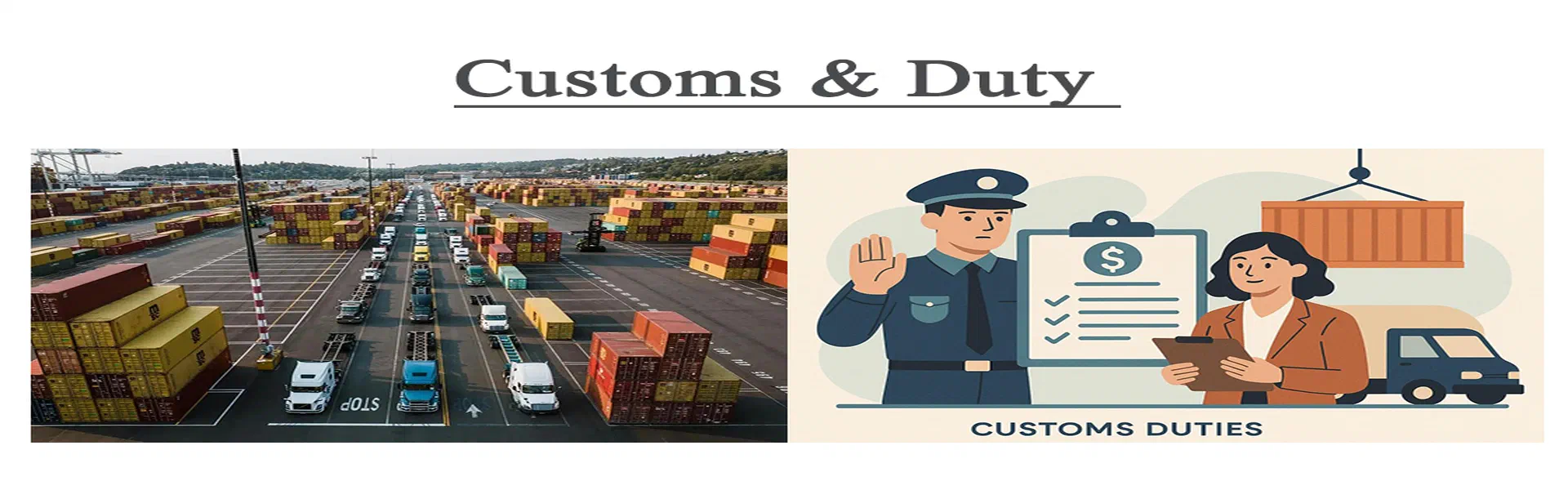
Importing a certified used car for under $5,000 is possible in some cases, but the budget must cover more than the vehicle itself. Customs duty, freight, inspection, documentation, and destination charges can push the total well above the purchase price, so buyers should calculate the landed cost before committing.
The term certified used cars under 5000 also needs careful interpretation. A seller’s inspection certificate may document a vehicle’s condition, but it does not automatically mean the car meets the destination country’s import rules or qualifies for a particular customs valuation. Buyers should establish what the certificate covers, who issued it, and whether the relevant authorities accept it.
How Customs Duty Affects the $5,000 Budget
Customs calculations commonly start with the CIF value: the cost of the vehicle, insurance, and freight to the destination port. Depending on the country’s rules, additional levies, taxes, fees, or valuation adjustments may apply. A low advertised price therefore does not establish the amount payable at customs.
Vehicle age can also affect the calculation. Some markets apply age-related penalties, additional charges, or restrictions based on the year of manufacture or first registration. These rules differ by destination and may change, so importers should obtain a current assessment rather than rely on a general online estimate.
For a buyer targeting Ghana, Nigeria, Kenya, Uganda, or Tanzania, the first step is to request a written landed-cost breakdown. It should separate the vehicle price from freight, insurance, export documentation, customs duty, applicable taxes, port handling, and clearing-agent fees. If the full budget is $5,000, the vehicle purchase price must leave sufficient room for these costs. An inexpensive vehicle can become uneconomical once every charge is included.

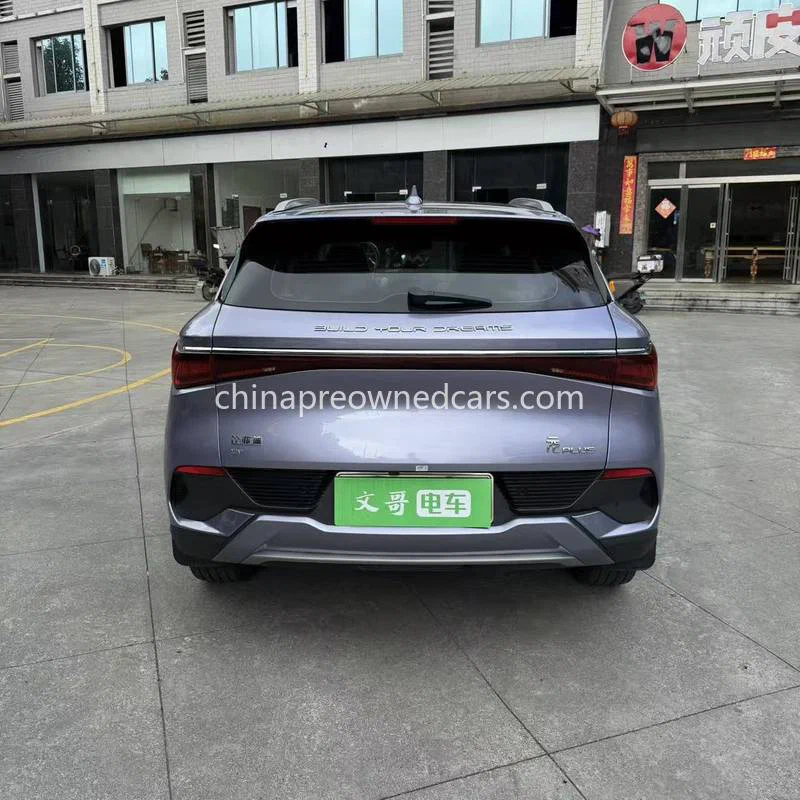
Customs valuation deserves particular attention. Authorities may question an invoice if the declared price appears inconsistent with their valuation references or the vehicle’s characteristics. An unusually low invoice does not guarantee lower duty. Keep the sales contract, payment evidence, vehicle identification number (VIN), condition report, and freight documents available to support the declared transaction value. If customs challenges the valuation, the clearing agent can explain the review or appeal process available under local procedures.
Documents, Inspection, and Clearance
Nigeria provides a useful example of why documentation must be checked before shipment. Depending on the applicable import procedure, importers may need Form M, a Pre-Arrival Assessment Report (PAAR), a certificate of origin, and supporting shipping and commercial documents. The exact requirements and sequence should be confirmed with Nigerian customs, the importer’s bank where relevant, and a licensed clearing agent before payment and dispatch. These Nigerian procedures should not be assumed to apply identically in other markets.
China’s used vehicle export process also requires the appropriate export licensing, customs declaration, and pre-shipment inspection. The exporter should clarify which party prepares each document and provide copies for review before the vehicle leaves China. Shipping may be arranged by roll-on/roll-off (RoRo) vessel or container. RoRo can suit vehicles that can be driven onto the vessel, while container shipping may offer different handling and consolidation options. Freight quotations should identify what is included and which destination charges remain payable.
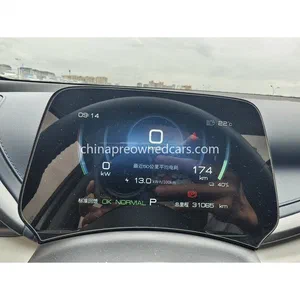
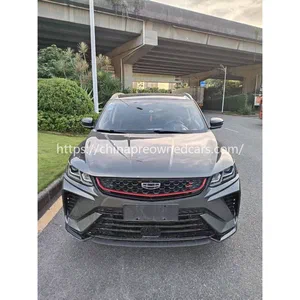
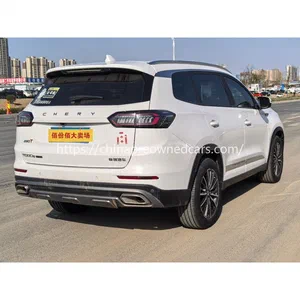
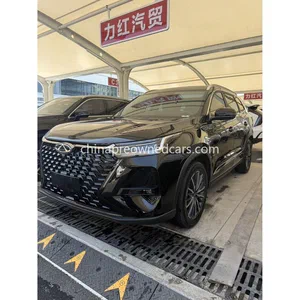
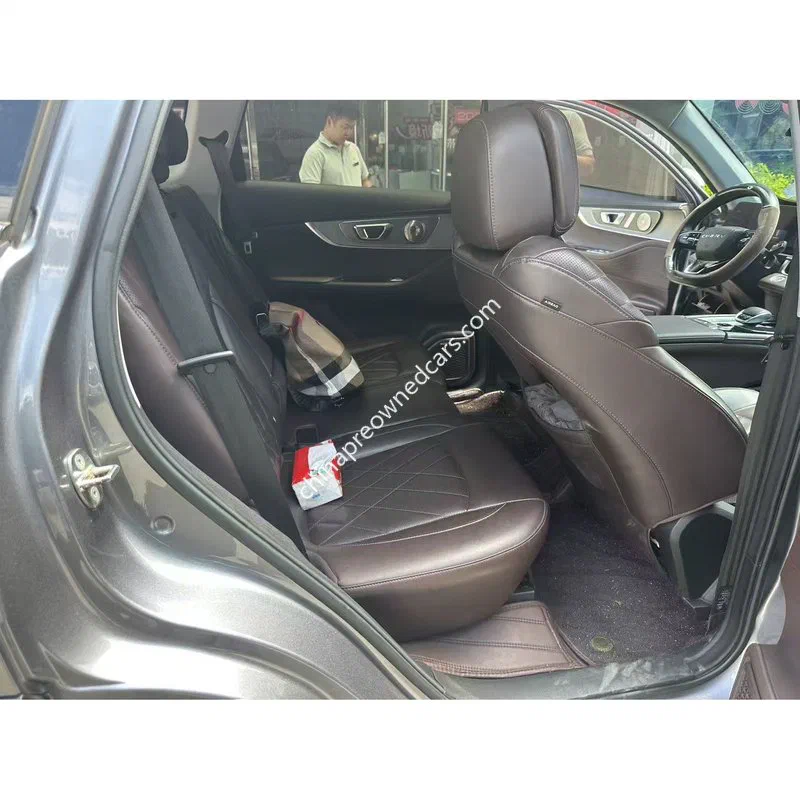
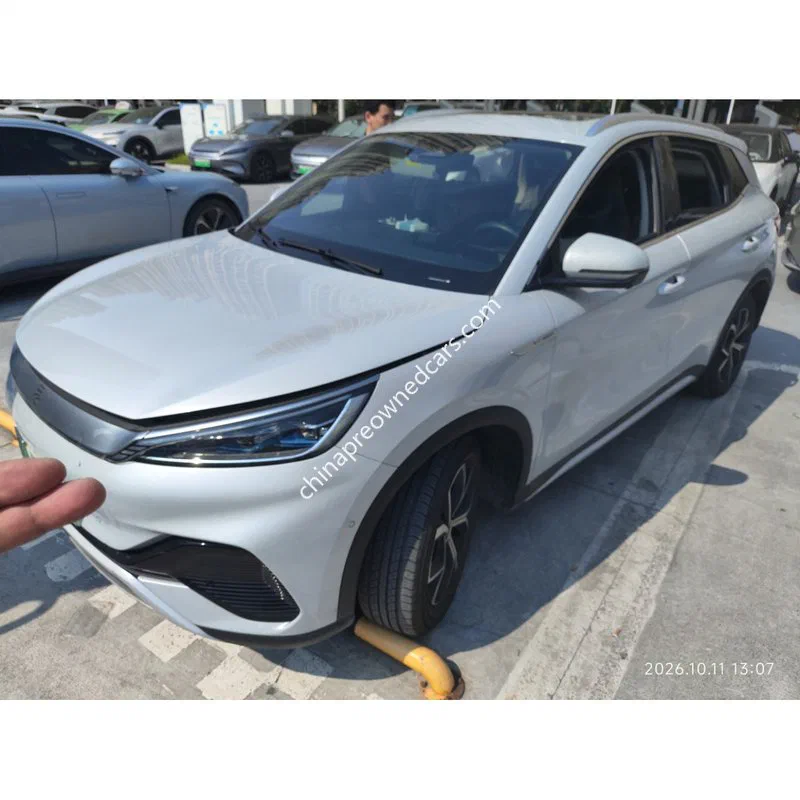
Inspection is separate from customs approval. Buyers should request a report covering the VIN, mileage reading, accident or repair evidence where available, mechanical condition, and photographs of the exterior and interior. For a used electric vehicle such as the BYD Atto 3, battery state of health and diagnostic results require specific attention; battery transport documentation may also be relevant. For petrol SUVs such as the Chery Tiggo 7 Plus, Chery Tiggo 8 Pro, Geely Coolray, and Haval H6, buyers should verify engine operation, transmission, emissions-related equipment, and maintenance records where available. No report should be treated as a guarantee of future condition.
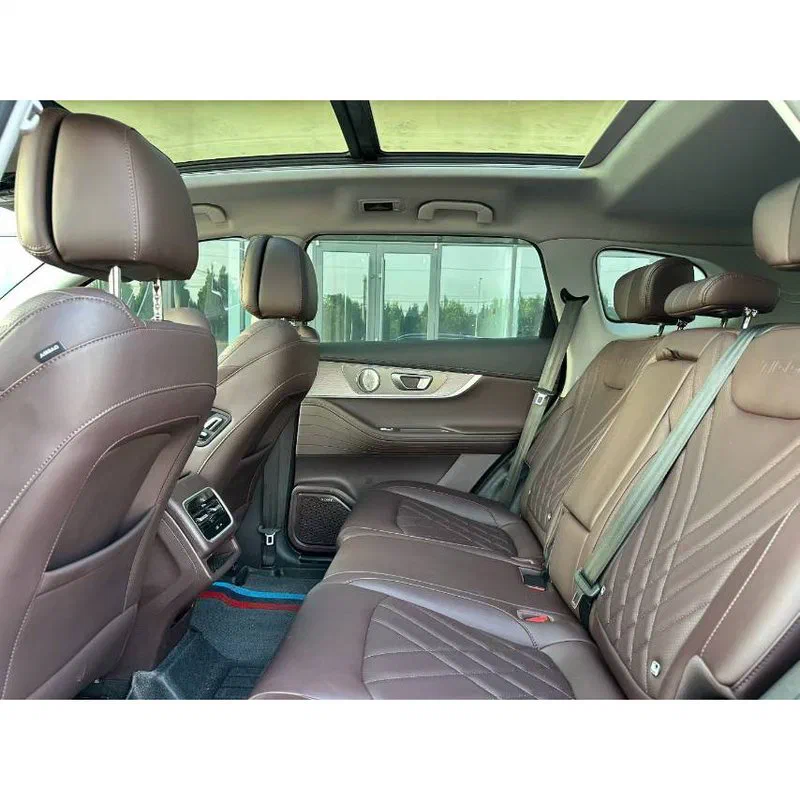
Before authorising shipment, confirm the destination’s current vehicle age limits, emission requirements, roadworthiness rules, and steering-side restrictions. Most vehicles sourced from China’s domestic market are left-hand drive, which can exclude them from markets that require right-hand-drive vehicles unless a compliant vehicle is specifically sourced. Clearance delays commonly arise from incomplete paperwork, inconsistent VIN or invoice details, disputed valuation, inspection issues, unpaid charges, or missing import approvals. A local clearing agent can check the documentation in advance and explain the expected payment stages, but cannot guarantee release dates.
FAQ
Q: Can customs duty make a used car cost more than $5,000?
A: Yes. Freight, insurance, duty, taxes, port fees, and clearing charges can raise the total well beyond the purchase price.
Q: Does a vehicle inspection certificate guarantee customs clearance?
A: No. It provides evidence of the checks performed, but customs clearance also depends on valid documentation, valuation, import eligibility, and payment of applicable charges.
Q: What should a buyer confirm before shipping a used car from China?
A: Confirm destination import rules, the full landed-cost estimate, export documents, inspection findings, steering configuration, and the clearing agent’s responsibilities before authorising dispatch.