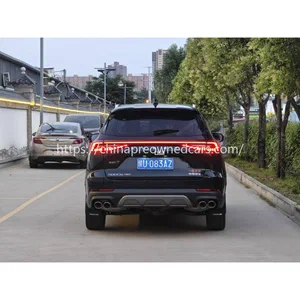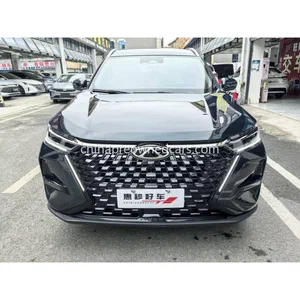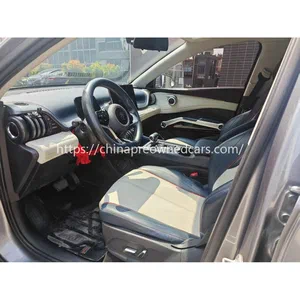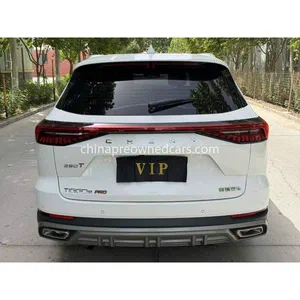
A used electric SUV is assessed differently from a conventional petrol or diesel vehicle when preparing an export shipment. Battery condition, declared customs value, charging compatibility and dangerous goods classification can all affect the final landed cost. For buyers importing Chinese electric SUVs into Ghana, Nigeria, Kenya, Uganda and Tanzania, these factors should be checked before the purchase is confirmed.
Customs Valuation and Import Documentation
Import duty is generally calculated using the vehicle’s customs value, commonly based on CIF (Cost, Insurance and Freight). This includes the vehicle purchase price, international freight and insurance to the destination port. Customs authorities may apply the relevant tariff classification, additional levies and taxes to this value. Some markets also impose age-related restrictions or additional charges, depending on vehicle category and current import policy. Buyers should obtain a current landed-cost estimate rather than calculate duty from the Chinese purchase price alone.
For Nigeria, the import process involves additional banking and customs documentation. Form M is used for the import transaction, while the Pre-Arrival Assessment Report (PAAR) supports customs valuation and clearance. A certificate of origin may also be required to establish where the vehicle was manufactured. Other commonly requested export documents include the commercial invoice, packing list where applicable, bill of lading, export declaration and vehicle identification details. Requirements differ across Ghana, Kenya, Uganda and Tanzania, so Nigerian documentation procedures should not be treated as a universal regional standard. A local clearing agent should confirm the applicable documents before shipment. Customs may question a declared value if it differs significantly from reference values or comparable transactions. Supporting purchase records, payment evidence and vehicle specifications help resolve valuation disputes. Incorrect paperwork, inconsistent VIN information and delayed document submission can hold a vehicle at the destination port, adding storage and demurrage costs.
Battery Condition, Charging Standards and Shipping Risks
Battery state of health (SOH) is a central factor when evaluating a used electric SUV. A battery with reduced capacity may still operate normally, but its usable range and resale value can be lower. Buyers should request a diagnostic report showing SOH, charging history where available, battery fault records and cell-voltage differences. An independent inspection is preferable to relying solely on dashboard range estimates. Models such as the BYD Atto 3 require particular attention to battery capacity, charging performance and the availability of compatible diagnostic support. Charging connectors also need checking. Chinese domestic vehicles commonly use GB/T, while many international charging networks use CCS2, CCS1 or CHAdeMO. These standards are not interchangeable, and acceptance varies between charging networks and countries. Buyers in Ghana, Nigeria, Kenya, Uganda and Tanzania should check the connectors used by local charging operators before choosing a vehicle. Adapter availability does not automatically guarantee compatibility or full charging performance. Battery transport classification matters too. A standalone lithium-ion battery is generally classified under UN 3480, while a vehicle powered by a lithium-ion battery can fall under UN 3556. The applicable dangerous goods requirements depend on the shipment configuration and carrier rules. Exporters must confirm documentation, battery condition, packaging or vehicle preparation requirements, and carrier acceptance before booking.
Choosing Between Electric and Fuel-Efficient Used Vehicles
The search for a used car with best gas mileage often focuses on fuel consumption, but electric SUVs require a different ownership calculation. Buyers should compare expected driving distance, charging access, electricity costs and battery degradation against the fuel and maintenance costs of conventional vehicles. A vehicle advertised with a strong driving range may deliver less in practice because of battery ageing, temperature, driving conditions and accessory use. This affects resale value, particularly where public charging infrastructure remains limited. RoRo shipping can suit vehicles accepted by the carrier for roll-on/roll-off transport, while container shipping provides another option depending on vehicle dimensions, routing and battery transport requirements. The exporter must complete the required Chinese export licensing, customs declaration and pre-shipment inspection before dispatch. Buyers should also verify the vehicle’s left-hand-drive configuration, VIN, inspection findings, mileage records and service history. Most Chinese domestic vehicles are left-hand drive, which may restrict their suitability in right-hand-drive markets. Final import eligibility must be checked against current destination rules on vehicle age, emissions, roadworthiness and drive side. Comparing the purchase price with customs charges, shipping, charging infrastructure and expected resale value gives importers a more useful assessment than fuel economy alone.

FAQ
Q: Are Chinese electric SUVs subject to different import duties from petrol vehicles?
A: They may fall under different customs tariff classifications, and applicable taxes or levies can vary. Buyers should confirm the current classification and duty calculation with a destination-country clearing agent.
Q: Does a used electric SUV with a GB/T connector work with CCS charging stations?
A: Not necessarily. GB/T and CCS use different standards, so buyers should verify vehicle specifications, charging network compatibility and approved adapter options before shipment.
Q: What battery documents should an importer request before shipping a used EV?
A: Request a battery state-of-health report, diagnostic records and relevant dangerous goods transport documentation. The shipping carrier should confirm the applicable UN classification and acceptance requirements.