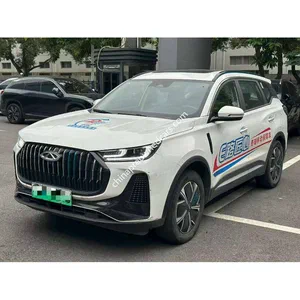
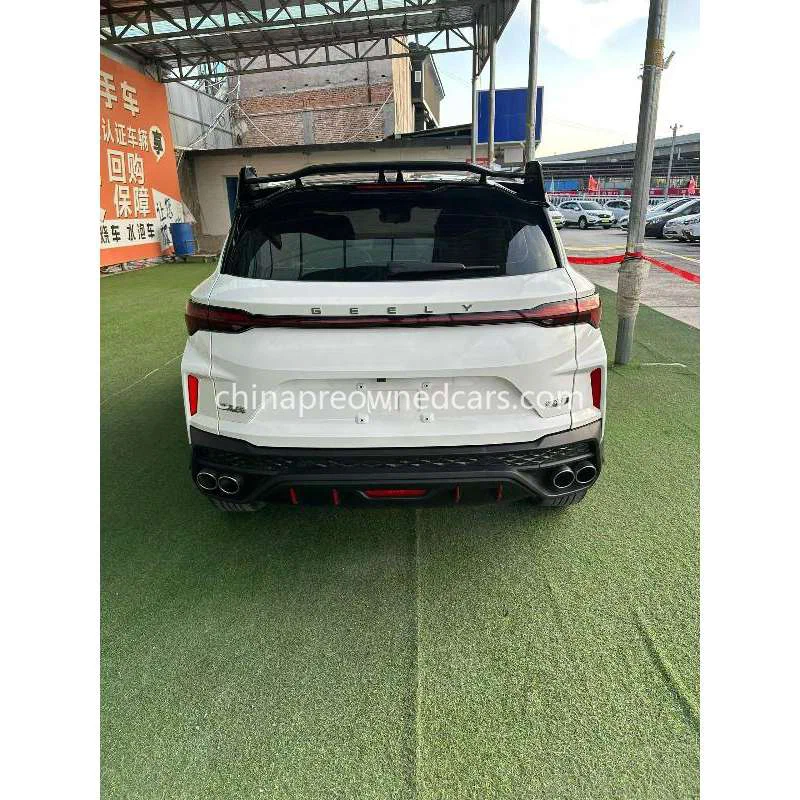
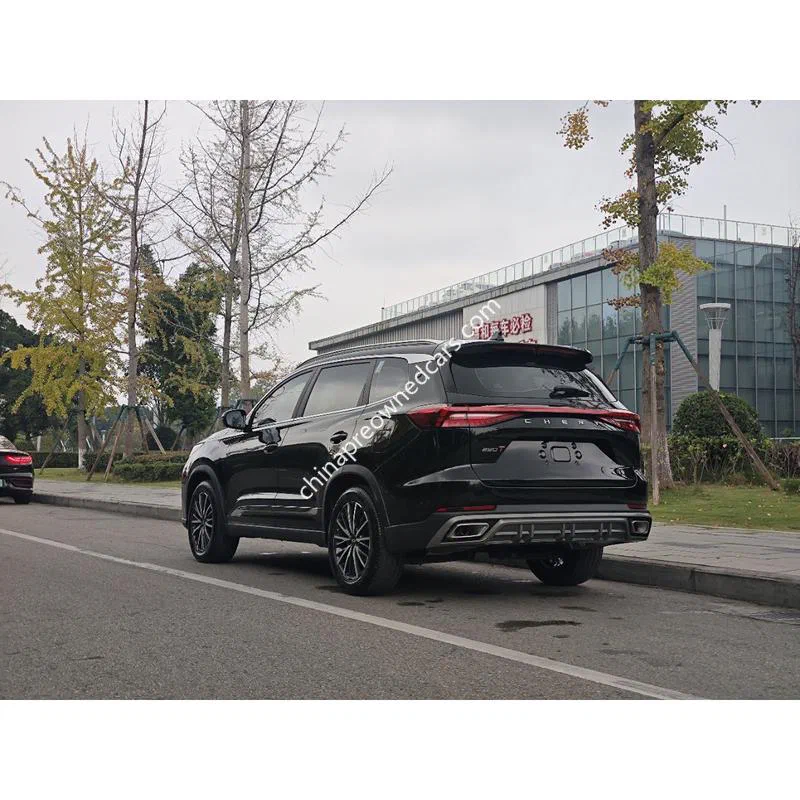
The BYD Atto 3 and Chery Tiggo 7 Plus serve different buyers in the export market. The Atto 3 is a battery-electric SUV, while the Tiggo 7 Plus uses a petrol powertrain. For importers in Ghana, Nigeria, Kenya, Uganda and Tanzania, the decision affects more than vehicle performance: customs valuation, import duties, charging access, parts supply and destination regulations all influence the final cost of ownership.
Powertrain, operating costs and export suitability
The BYD Atto 3 operates entirely on battery power. Its electric motor delivers immediate torque, and its driving range depends on battery capacity, vehicle condition, driving speed, climate and accessory use. The Chery Tiggo 7 Plus uses a petrol engine, making fuel availability and conventional refuelling infrastructure central to its operating requirements. Actual fuel consumption varies with engine specification, transmission, traffic and maintenance history. Buyers should compare the exact model year and powertrain rather than relying on figures from a different market specification.
For an importer evaluating a 2nd hand car for sale, the operating environment matters. The Atto 3 can suit urban fleets and private buyers with dependable charging access. However, the buyer must verify the charging connector, compatible charging equipment, onboard charging specifications and local electricity supply. Battery state of health should be assessed through diagnostic information, charging records and an independent inspection where possible. The Tiggo 7 Plus avoids battery charging requirements and may be easier to operate in areas where public charging remains limited. Its trade-off is exposure to petrol prices and routine engine maintenance.

Vehicle selection also affects customs compliance. Electric and petrol vehicles may be subject to different tax classifications, environmental policies and import incentives. These provisions change over time. Importers should confirm the applicable tariff classification and current treatment with the destination customs authority before committing to a purchase.
Customs valuation, documentation and destination checks
Customs duty is generally calculated using the customs value of the imported vehicle, commonly based on its CIF value: cost, insurance and freight to the destination port. The applicable duty and other import charges depend on the country’s tariff schedule, vehicle classification and valuation rules. Some markets also apply age-related penalties or additional levies. These must be checked against current regulations rather than assumed from a previous shipment.
Nigeria requires particular attention to its import documentation process. Form M is part of the import transaction process, while the Pre-Arrival Assessment Report (PAAR) supports customs assessment before clearance. The importer should coordinate these requirements with the authorised bank and clearing agent. A certificate of origin, commercial invoice, bill of lading and relevant inspection documents may also be required. Ghana, Kenya, Uganda and Tanzania have their own customs procedures and supporting-document requirements. The exact documents should be confirmed before shipment.
Valuation disputes can arise when customs considers the declared transaction value inconsistent with its assessment of the vehicle. An unusually low invoice value may trigger requests for supporting evidence. Buyers should retain the purchase invoice, payment records, vehicle identification details, specification sheet and inspection report. A clearing agent familiar with used vehicle imports can review the tariff classification, submit declarations and respond to customs queries. The agent should also explain which charges are government assessments and which are service fees.
Vehicle condition, shipping and final selection
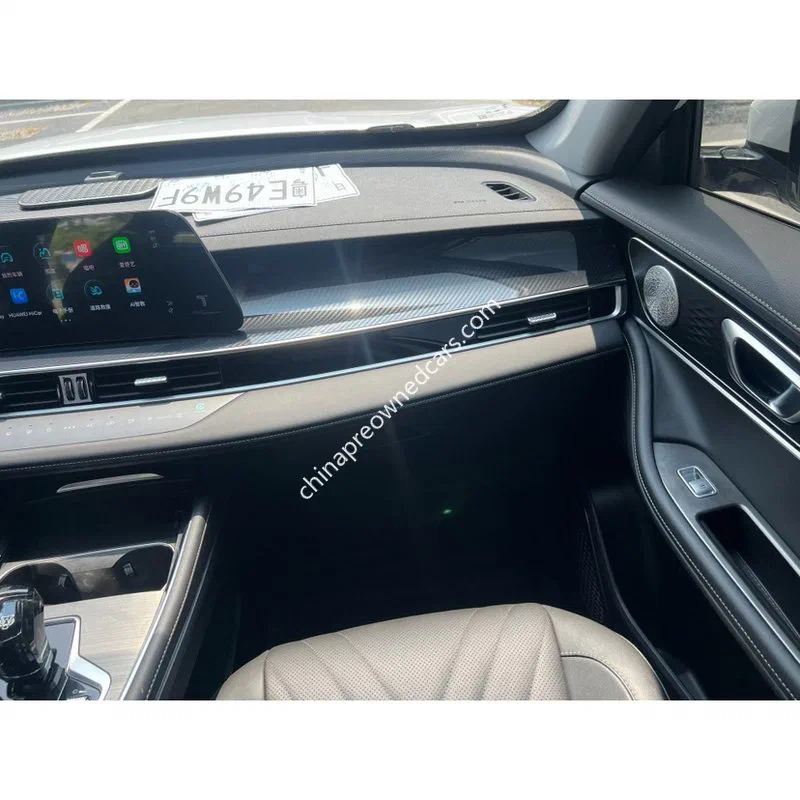
Condition assessment should cover both mechanical and export-specific risks. For the Atto 3, inspection should include battery diagnostics, charging operation, electric motor performance, underbody damage and electronic systems. For the Tiggo 7 Plus, checks should cover engine operation, transmission behaviour, cooling system, suspension, accident repairs and diagnostic fault codes. Mileage and service history should be cross-checked against available records. Neither should be treated as guaranteed without supporting evidence.
Drive configuration is another important consideration. Most Chinese domestic-market vehicles are left-hand drive (LHD). Ghana, Nigeria, Kenya, Uganda and Tanzania generally operate right-hand-drive road systems, so buyers must establish whether an LHD vehicle can legally be imported, registered and used in the intended destination. Vehicle age limits, emission standards and roadworthiness rules also differ. These requirements can affect both models, regardless of their powertrain.
Shipping normally takes place through roll-on/roll-off (RoRo) services or container transport. RoRo is suitable for eligible operational vehicles, while containers offer a different loading and protection arrangement. Export preparation includes the required export licence, customs declaration, pre-shipment inspection and shipping documentation. Port congestion, incomplete paperwork, customs valuation questions and vessel schedules can delay delivery. The final choice should therefore reflect the destination’s import rules, the buyer’s charging or fuel infrastructure, available servicing options and the full landed cost, not simply the vehicle’s purchase price.
FAQ
Q: Are the BYD Atto 3 and Chery Tiggo 7 Plus subject to the same import duties?
A: Not necessarily. Customs classification, powertrain-related tax treatment, CIF valuation and applicable age-related charges can differ. Importers should confirm the current tariff treatment with the destination customs authority.
Q: What should buyers verify before shipping either SUV to Nigeria?
A: Confirm LHD import eligibility, vehicle age and emission requirements, customs documentation, Form M and PAAR procedures, and the applicable duty assessment. The Atto 3 also requires battery health and charging compatibility checks, while the Tiggo 7 Plus needs engine and transmission inspection.