
East African buyers assessing used SUVs from China need to consider customs valuation and import compliance alongside vehicle suitability. Road conditions, climate, fuel availability and charging access differ across Ghana, Nigeria, Kenya, Uganda and Tanzania. For importers, the final landed cost depends on the vehicle’s declared value, shipping expenses, applicable duties and destination-specific clearance requirements.
Customs Costs and Import Requirements in East Africa

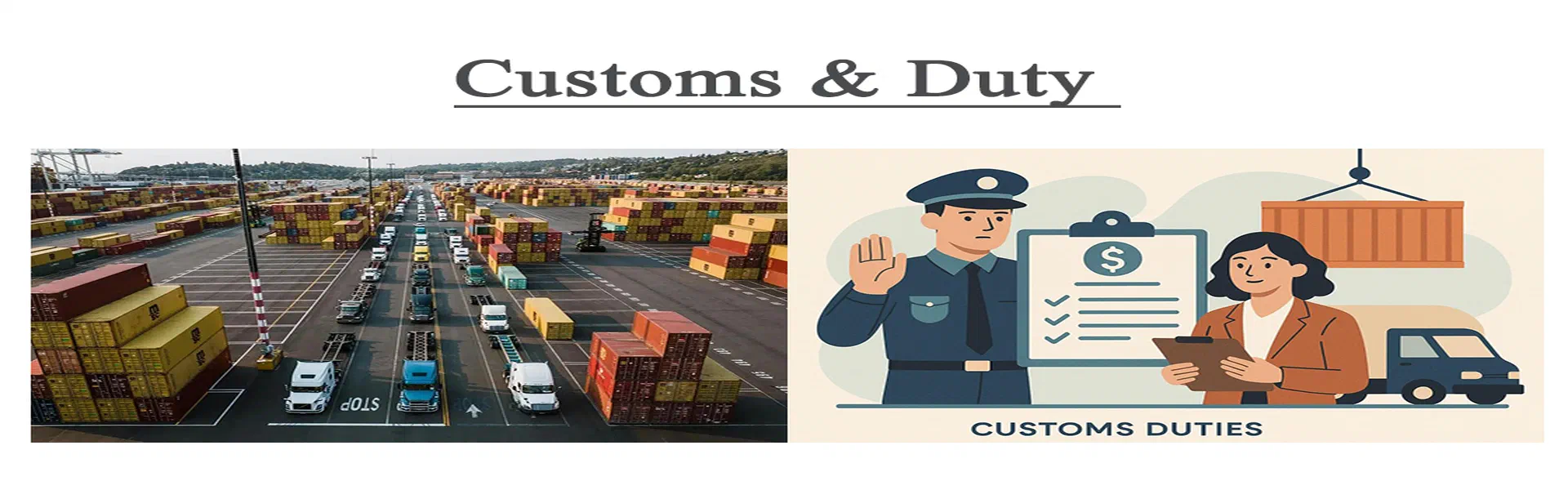
Import duty is generally calculated using the customs value of the vehicle, commonly based on its CIF value: cost, insurance and freight to the destination port. Customs authorities may also apply additional taxes, levies or age-related penalties under local rules. The applicable calculation differs between countries and can change with fiscal policy. Buyers should obtain a current landed-cost estimate before confirming a purchase rather than relying on an old duty schedule.
Nigeria requires particular attention to its import documentation process. Depending on the applicable import procedure, Form M and the Pre-Arrival Assessment Report (PAAR) are important parts of the documentation and assessment process. A commercial invoice, bill of lading, packing details where applicable, export declaration and certificate of origin may also be required. Ghana, Kenya, Uganda and Tanzania have their own customs procedures and documentary requirements. A clearing agent should confirm the current requirements before shipment, including vehicle eligibility and any applicable inspection arrangements.
Customs valuation disputes can increase clearance costs and delay vehicle release. Authorities may question an invoice if the declared transaction value differs from their valuation benchmarks or supporting documents. Buyers should retain payment records, purchase invoices, vehicle identification details and shipping documents. The exporter should ensure that the invoice description, VIN, vehicle model and shipping information are consistent. Missing paperwork, incorrect declarations, unpaid charges and incomplete pre-shipment inspection records are common causes of delays. A qualified destination-country clearing agent can review the documents before the vehicle leaves China.
Matching SUV Specifications to Local Conditions
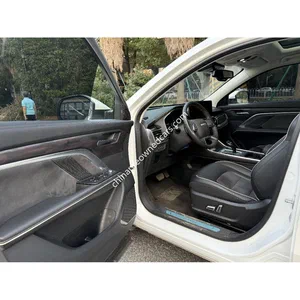
Vehicle selection also affects the practicality of an import. Most Chinese domestic-market vehicles are left-hand drive (LHD). This is an important limitation for Kenya, Uganda and Tanzania, where right-hand-drive requirements must be checked carefully. Ghana and Nigeria also require buyers to confirm current vehicle eligibility rather than assume that an LHD vehicle will automatically qualify. A vehicle that fails the destination’s drive-side rules is not a suitable purchase, regardless of its condition or price.
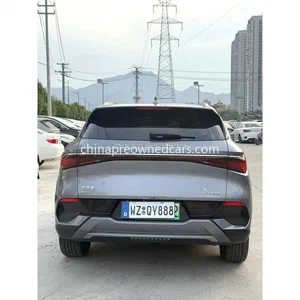
The available models serve different requirements. The BYD Atto 3 is a fully electric SUV, so buyers should assess battery state of health, charging access and replacement-part support. Hybrid options and petrol-powered SUVs may be more practical where charging infrastructure is limited. The Chery Tiggo 7 Plus, Chery Tiggo 8 Pro, Geely Coolray and Haval H6 offer alternatives for buyers prioritising conventional refuelling and everyday road use. For rough rural roads, ground clearance, suspension condition, tyre quality and underbody damage deserve particular attention. Heat, dust and seasonal rain also make cooling-system performance, air conditioning, seals and electrical components important inspection points.
What Buyers Should Verify Before Shipment
A careful used car sale and purchase process starts with vehicle-level checks and a destination-specific customs review. Buyers should request the VIN, manufacturing year, mileage records, service history, accident information and an independent inspection report. For electric vehicles, the report should include battery health information and charging-system checks. Battery transport requirements must also be confirmed with the shipping provider.
China’s export process involves the required export licensing, customs declaration and pre-shipment inspection. Vehicles can travel by RoRo or in containers, depending on the model, shipping arrangements and buyer’s requirements. Before payment is completed, the contract should identify the vehicle, agreed inspection scope, payment milestones, shipping method and responsibility for documentation. The exporter should provide the available shipping and export records, while the buyer’s clearing agent confirms destination duties and taxes. This reduces the risk of purchasing an SUV that cannot be registered or cleared economically at its intended destination.
FAQ
Q: Are Chinese used SUVs suitable for Kenya, Uganda and Tanzania?
A: They may suit local driving conditions, but buyers must first confirm drive-side eligibility, vehicle age restrictions and applicable emission requirements. Most Chinese domestic-market inventory is left-hand drive, which can be a significant obstacle in these markets.
Q: What documents should buyers check before importing a used SUV into Nigeria?
A: Buyers should confirm Form M, PAAR, commercial invoice, bill of lading and certificate of origin requirements with their clearing agent. The exact documentation and assessment process should be verified against current Nigerian customs procedures before shipment.