Buying a used vehicle online for export requires checks beyond the advertised condition. Buyers need to verify the vehicle’s identity, maintenance records and inspection findings, then establish the customs valuation, documentation requirements and shipping arrangements for the destination country.
Verify the Vehicle Before Payment
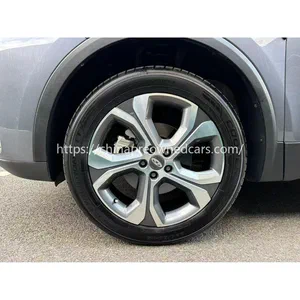
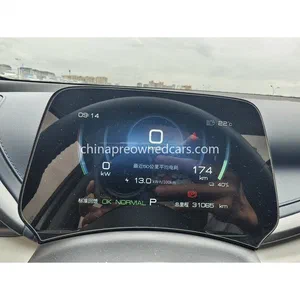
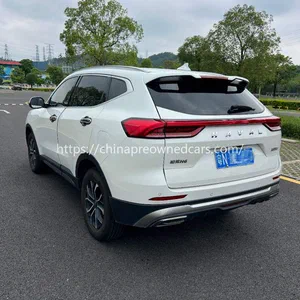
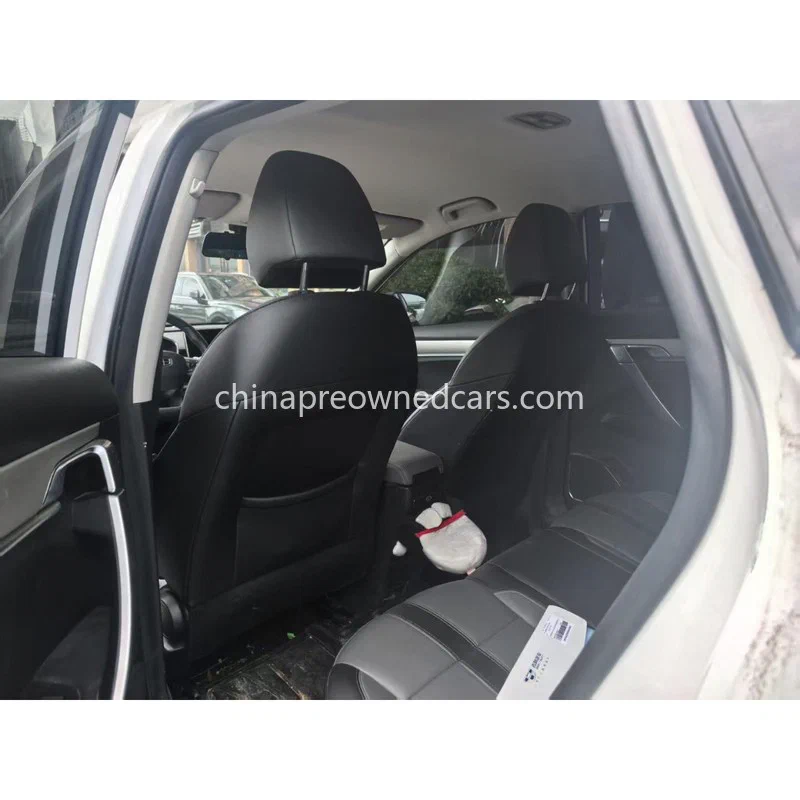
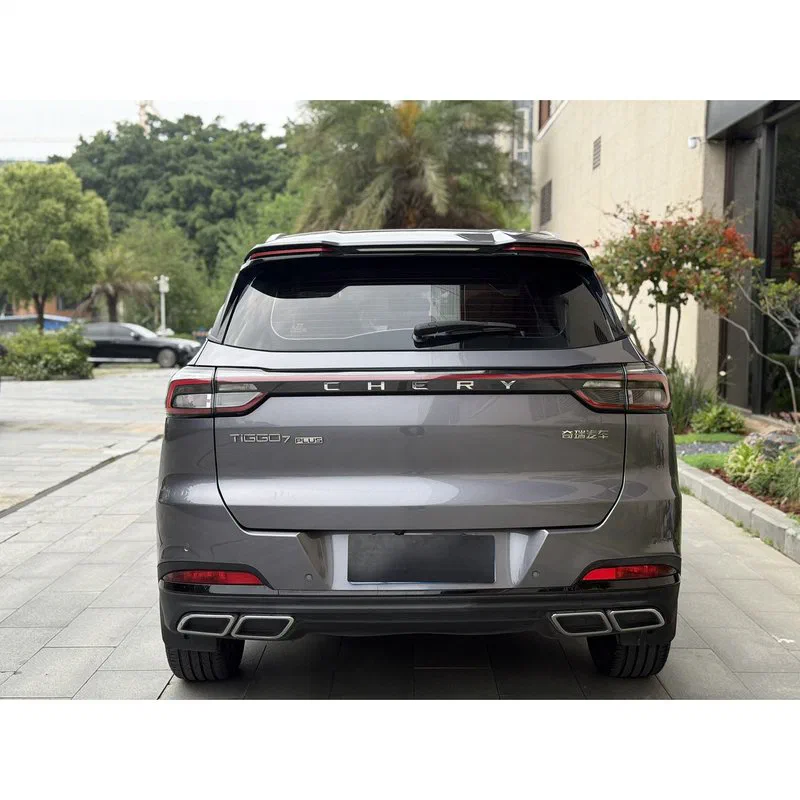
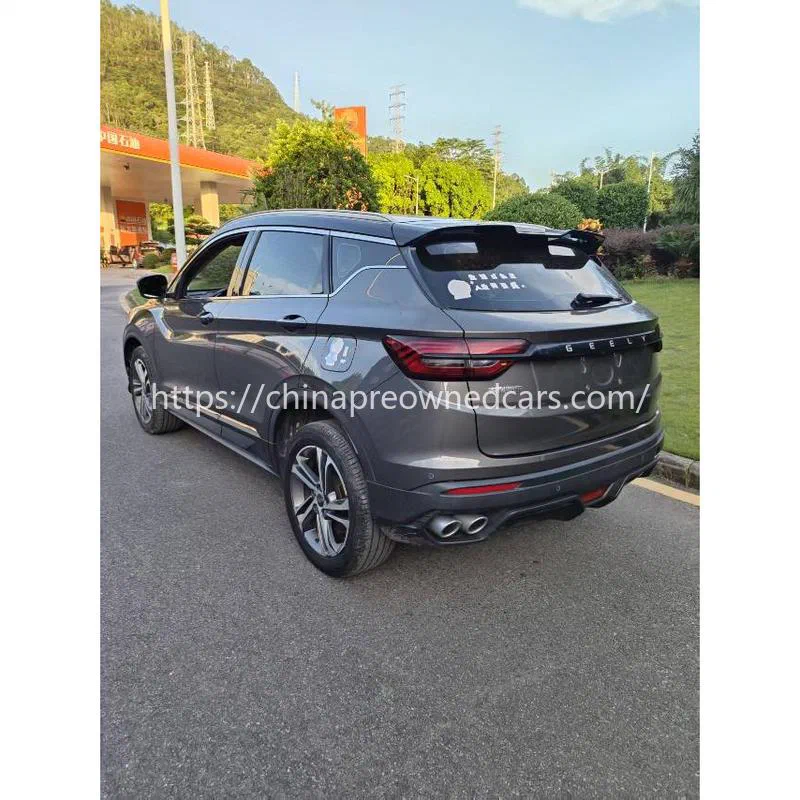
Before agreeing to buy used car online, request the VIN and compare it with the vehicle identification plate, registration records and available export documents. Ask for dated photographs, a cold-start video and an independent inspection report covering body repairs, structural damage, odometer consistency, engine operation and diagnostic faults. Low mileage alone does not establish good condition. Service records and available accident history provide important context.
For electric vehicles such as the BYD Atto 3, request a battery state-of-health assessment and diagnostic results. Battery degradation affects usable range and resale value. Confirm charging compatibility and battery transport requirements before shipment. For every vehicle, agree in writing on the condition being sold, the inspection scope and how material discrepancies will be handled.
Customs Valuation, Documents and Clearance

Import duty is generally calculated using the customs value and the destination country’s tariff rules. CIF value typically includes the vehicle cost, insurance and freight to the named destination port. Additional taxes, fees or age-related penalties may apply under local regulations. The exact calculation differs by country, vehicle classification, powertrain and applicable rules, so buyers should obtain a current estimate from a qualified clearing agent before payment.
For Ghana, Nigeria, Kenya, Uganda and Tanzania, confirm the current import requirements directly with the relevant authorities or an experienced local agent. Depending on the market and transaction, documents may include the commercial invoice, bill of lading, certificate of origin, export licence, inspection report and customs declaration. Nigerian importers should establish whether Form M and the Pre-Arrival Assessment Report (PAAR) are required for the shipment and arrange them through the appropriate banking and customs processes. Incomplete paperwork, inconsistent VIN details, incorrect tariff classification and customs valuation disputes can hold up clearance and increase storage charges.
Exporter Checks, Payment and Shipping Risks
Assess the exporter before transferring funds. Check the registered business details, verify that the seller can provide export documentation, and request a clear breakdown of vehicle cost, inspection charges, inland transport and freight. A credible supplier should explain the payment schedule, refund conditions and responsibility for discrepancies. Bank transfers against documented milestones are commonly used in international vehicle trade; the precise terms should be agreed in a signed contract. Avoid paying an unrelated third party without a documented reason.
Request copies of the inspection findings and export paperwork as they become available. Confirm whether the vehicle will ship by roll-on/roll-off (RoRo) or in a container, and clarify who pays port handling, insurance and destination charges. Container shipping may offer additional protection, while RoRo is designed for operable vehicles accepted by the carrier. Sailing schedules, customs checks and port congestion can affect arrival. Before dispatch, verify the destination’s rules on vehicle age, emissions, roadworthiness and steering position. Most Chinese domestic vehicles are left-hand drive, so compatibility must be checked before the purchase becomes binding.
FAQ
Q: How is customs duty calculated on an imported used car?
A: Customs authorities generally use a customs value based on the applicable valuation rules, often linked to CIF, then apply the relevant tariff and taxes. Age-related charges and other fees depend on current destination-country regulations.
Q: Which documents should a buyer request from a Chinese used car exporter?
A: Request the commercial invoice, VIN details, inspection report, export licence and shipping documents, including the bill of lading when issued. Confirm any additional destination-specific requirements with a local clearing agent.
Q: What commonly delays used car import clearance?
A: Missing documents, VIN mismatches, disputed customs values and incorrect vehicle classifications can delay release. Incomplete pre-arrival procedures, port congestion and inspections may also add time and cost.