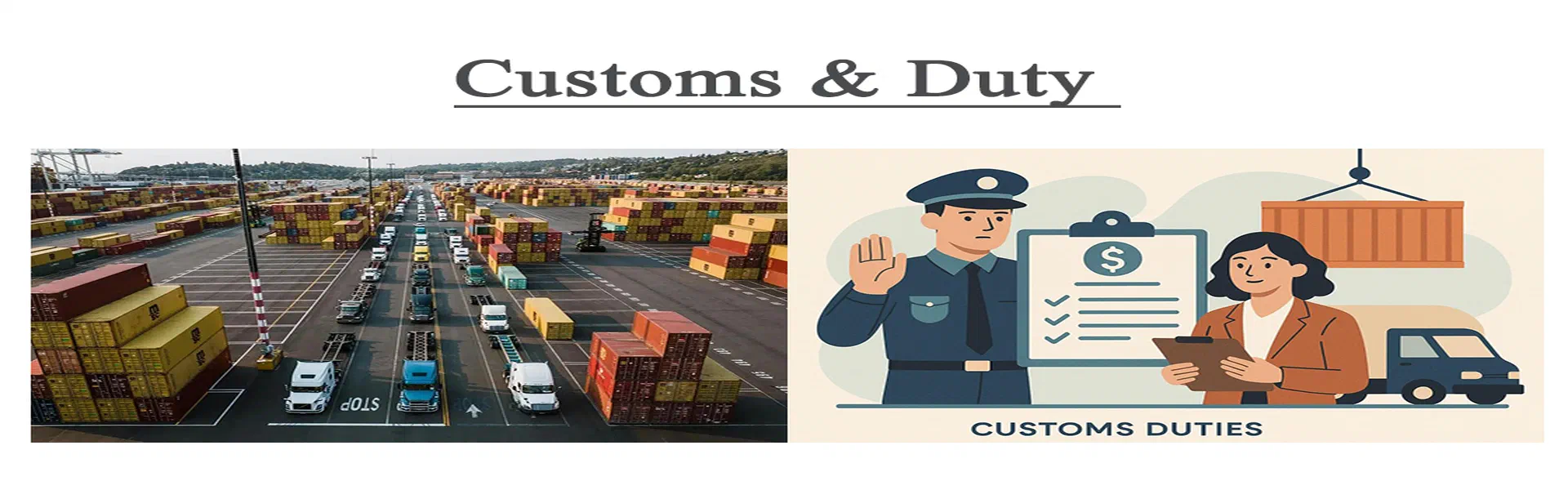

Used electric vehicles require a different customs and inspection approach from petrol and diesel vehicles. Battery state of health, charging compatibility and dangerous goods documentation can all affect the export process, customs assessment and resale prospects. Buyers sourcing Chinese EVs for Ghana, Nigeria, Kenya, Uganda and Tanzania should assess these factors before confirming a purchase.
Battery Condition and Customs Valuation
Battery state of health (SOH) is one of the most important indicators when assessing a pre-owned electric vehicle. It measures the battery’s remaining capacity against its original usable capacity. A vehicle with a high SOH generally offers more usable driving range, while a degraded battery may reduce its commercial value even when the exterior and interior remain in good condition.
An export inspection should include a battery diagnostic report where available. Buyers should request the reported SOH, battery fault history, charging performance and any recorded temperature or voltage irregularities. The diagnostic method also matters. A dashboard range estimate is not a substitute for a battery health assessment because displayed range changes with driving conditions, temperature and previous energy consumption.
Battery condition can influence customs valuation. Import authorities generally assess vehicles using declared transaction values and applicable valuation procedures. Where the declared value appears inconsistent with comparable vehicles, customs may request additional evidence or challenge the valuation. A documented battery assessment, purchase invoice and vehicle specification sheet can help explain the condition of a used EV and support the declared value. However, a lower SOH does not automatically entitle an importer to a lower customs assessment.
The distinction matters when calculating the landed cost. Import duty is commonly assessed using a customs value based on CIF, meaning cost, insurance and freight, subject to the destination country’s valuation rules. Other charges may include applicable taxes, levies, processing fees and port charges. Some markets also apply additional age-related charges or restrictions to used vehicles. Buyers should confirm the current treatment of electric and hybrid vehicles with a local clearing agent before arranging payment.
Charging Compatibility and Battery Transport Rules
Charging connector standards deserve attention before a vehicle leaves China. Chinese domestic EVs commonly use GB/T connectors, while international markets also use CCS and CHAdeMO. These systems are not automatically interchangeable. A vehicle’s charging inlet, onboard charging equipment and supported charging protocols must match the infrastructure available at its destination.
For example, CCS is widely used across many international charging networks, while CHAdeMO remains present in some established networks. GB/T is common in China, but its presence in a destination market should not be assumed. Buyers importing a BYD Atto 3 should verify the exact charging specification of the individual vehicle rather than relying on the model name alone. Specifications can differ by production version and market configuration.
Charging compatibility affects resale value. A vehicle that requires specialist adapters or has limited access to public charging may appeal to fewer buyers. Adapters also have limitations: they cannot necessarily resolve differences in charging communication or electrical architecture. Before purchase, the importer should identify the available public charging standards, check whether home charging can be installed and confirm the vehicle’s maximum AC and DC charging rates.
Battery transport creates another customs consideration. Lithium-ion batteries are generally classified under dangerous goods rules, with UN 3480 applying to lithium-ion batteries shipped on their own and UN 3481 covering lithium-ion batteries contained in or packed with equipment. An electric vehicle shipped with its installed battery normally requires the applicable vehicle and dangerous goods transport documentation rather than being treated as a shipment of loose batteries.
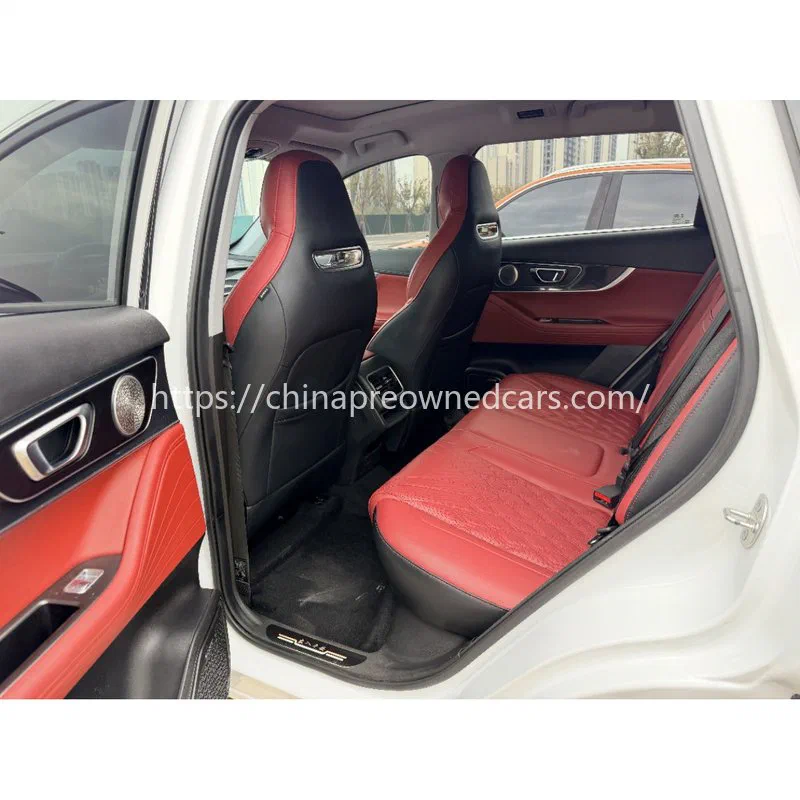
The shipping line and freight forwarder must confirm the classification, documentation and handling requirements for the particular vehicle. Battery damage, defects or safety recalls may affect whether a carrier accepts the shipment. A buyer should provide accurate battery information early, since missing declarations or unsuitable documentation can prevent loading or delay departure.
Import Documentation, Duties and Shipment Delays
Exporting a used EV from China involves more than arranging transport to the port. The exporter must address applicable export licensing, customs declaration and pre-shipment inspection requirements. The vehicle identification number, invoice, ownership and export records should be checked for consistency before the customs declaration is submitted. Incorrect vehicle descriptions or mismatched values can lead to additional examination.
For imports into Nigeria, documentation may include Form M and a Pre-Arrival Assessment Report (PAAR), depending on the applicable import procedure. Form M is part of the import documentation process, while PAAR supports customs assessment before clearance. The importer should coordinate with an authorised bank and clearing agent to complete the relevant steps. A certificate of origin may also be required to establish where the vehicle was manufactured. It should not be confused with proof of ownership or an export certificate.
Requirements in Ghana, Kenya, Uganda and Tanzania differ. Importers should check current rules on vehicle age, valuation, emissions, roadworthiness and applicable taxes. Left-hand-drive configuration is another important consideration. Most vehicles sourced from China’s domestic market are LHD, so buyers must establish whether their destination permits that configuration before selecting a vehicle. A model’s eligibility for import cannot be assumed simply because it is available for export.

Customs valuation disputes can arise when an invoice does not adequately support the declared transaction value, when vehicle specifications are unclear or when customs reference values differ from the declared amount. Buyers should retain the purchase contract, payment evidence, freight invoice, insurance details and inspection records. If customs requests clarification, the clearing agent can submit supporting documents and explain the valuation basis. An unsupported low declaration can create additional costs and examination delays.
Shipping arrangements also affect the process. RoRo transport is generally suitable for vehicles that can be driven or handled under the carrier’s operating requirements. Container shipping offers a different handling arrangement and may be preferable where additional protection or consolidated cargo arrangements are needed. The carrier must approve the vehicle’s condition and battery status under its own rules.
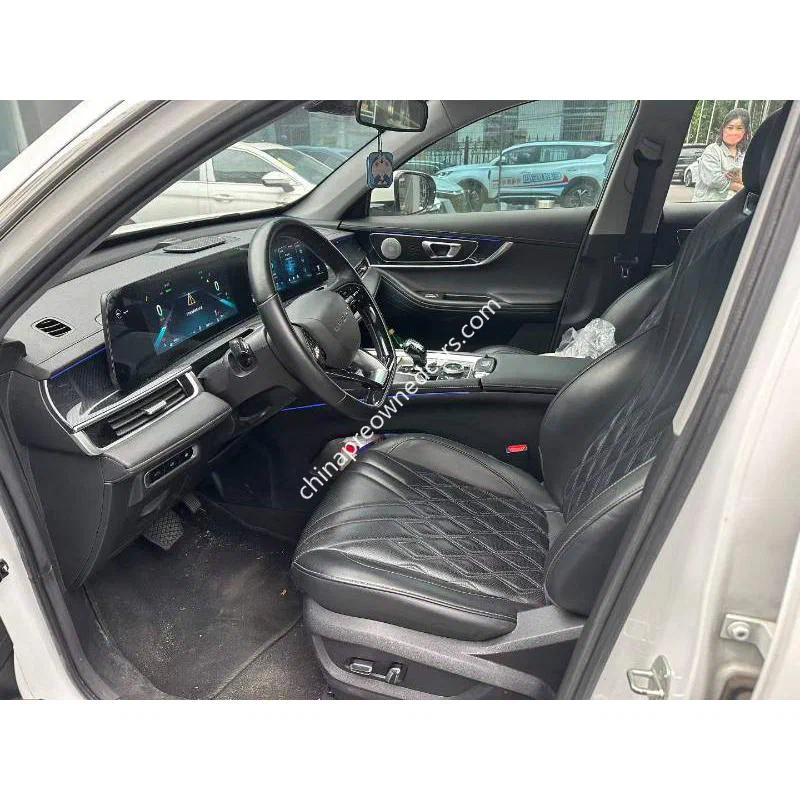
Common causes of delay include incomplete export documents, inconsistent VIN details, customs valuation questions, outstanding import approvals and dangerous goods documentation errors. Port congestion and vessel schedules can add further waiting time. Buyers should obtain a clear breakdown of export, freight and destination clearance responsibilities before agreeing to payment terms.
A good second hand car for export is not defined by appearance alone. For an electric vehicle, the buyer should compare battery SOH, actual charging compatibility, estimated usable range and the cost of obtaining replacement parts or technical support. A vehicle with a lower purchase price may carry a higher landed cost if its connector is unsuitable or its battery condition limits resale demand.
For exporters supplying African markets, the final assessment should connect vehicle condition with local operating requirements. The BYD Atto 3 is an electric SUV, while hybrid models require separate checks of their battery systems and combustion components. Buyers should request vehicle-specific inspection evidence, confirm the applicable import duty treatment and obtain written confirmation of shipping acceptance before committing to the transaction. These checks provide a clearer basis for calculating the total import cost and assessing the vehicle’s likely resale position.
FAQ
Q: Is battery state of health included in customs duty calculations?
A: Battery SOH can support the assessment of a used vehicle’s condition and declared value, but customs authorities apply their own valuation rules. A battery report does not automatically reduce the customs value or duty payable.
Q: Can a Chinese GB/T electric vehicle be imported into Nigeria or Ghana?
A: Import eligibility and charging compatibility are separate issues. Buyers should confirm the destination’s current vehicle import rules and check whether local charging equipment supports GB/T or whether a technically compatible charging solution is available.