

When importing used cars from China into the West African markets of Ghana and Nigeria, understanding customs and duty regulations is crucial. These nations have specific requirements that affect the overall cost, including landing fees, import duties, and additional charges. Knowing these details can help buyers make informed decisions and manage their budgets effectively.
Shipping methods, like Roll-on/Roll-off (RoRo) and container shipping, each have their own costs and implications for vehicle condition upon arrival. RoRo is generally less expensive but offers less protection compared to container shipping. Once the vehicle reaches the destination port, additional costs such as port clearance and import duties must be factored in. Ghana and Nigeria impose duties that can range significantly depending on vehicle age, engine capacity, and the type of vehicle being imported.
The condition of the vehicle is another factor that affects the total cost. All vehicles shipped from China are left-hand drive, which suits the driving regulations in these countries. It’s important for importers to inspect vehicles thoroughly before shipping to ensure they meet local regulations and quality standards. Many importers use inspection reports to verify the vehicle’s condition, including mileage and service history, which are crucial for assessing the vehicle’s value and potential resale opportunities.
FAQ
Q: What are the main factors affecting import duties in Ghana and Nigeria? A: Import duties are influenced by the vehicle’s age, engine capacity, and type. Older vehicles and those with larger engines generally incur higher duties.
Q: What shipping method is more cost-effective for importing cars from China? A: Roll-on/Roll-off (RoRo) is typically more cost-effective compared to container shipping, but it offers less protection for the vehicle.
Q: Are left-hand drive vehicles allowed in Ghana and Nigeria? A: Yes, both countries permit left-hand drive vehicles, aligning with their traffic regulations.
Related Articles
 Certified used cars under 15000 import taxes and customs clearance process in Ghana Nigeria
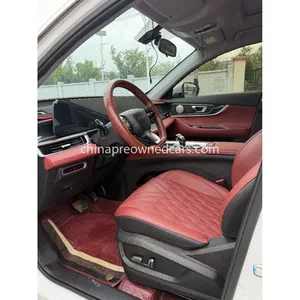 Best time of year to buy a secondhand car considering import duty and customs regulations
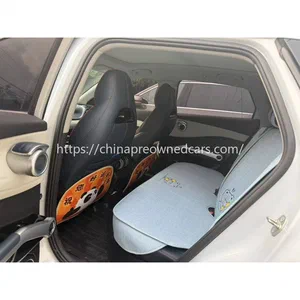 Buying a certified pre owned vehicle with customs and duty guidance for international buyers
 Certified used cars under 10000 customs clearance and import duty guide for buyers