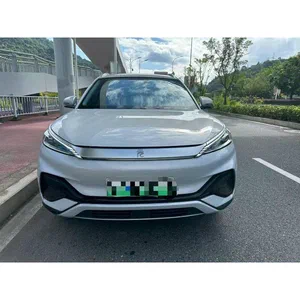
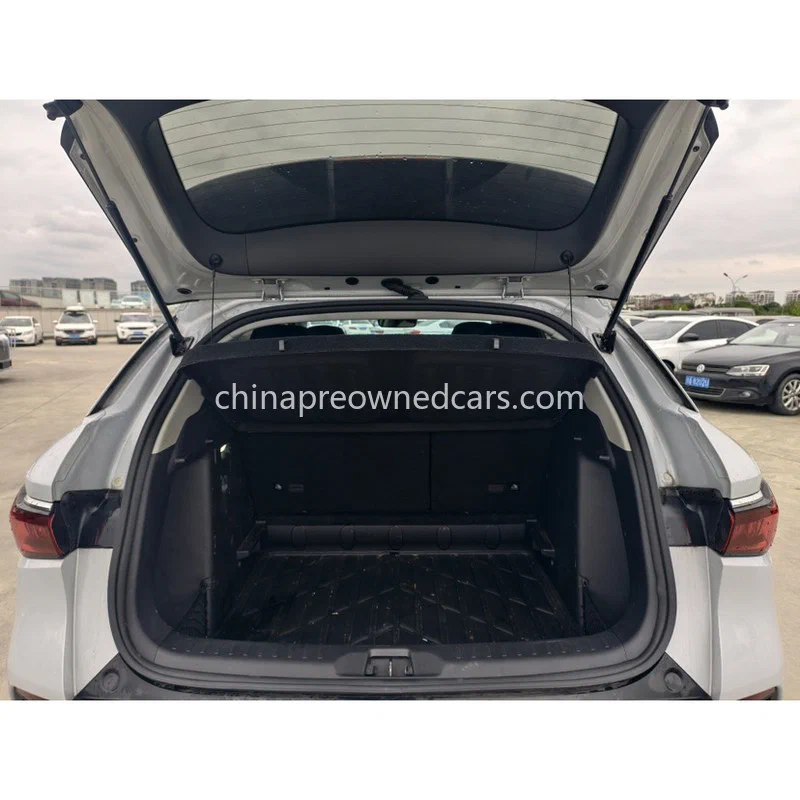
Assessing a used vehicle for export requires more than comparing its age and odometer reading. Buyers must consider cosmetic condition, mechanical performance, service records and the way customs authorities determine the vehicle’s taxable value. These factors affect both the purchase decision and the final landed cost.
Vehicle condition, mileage and inspection standards

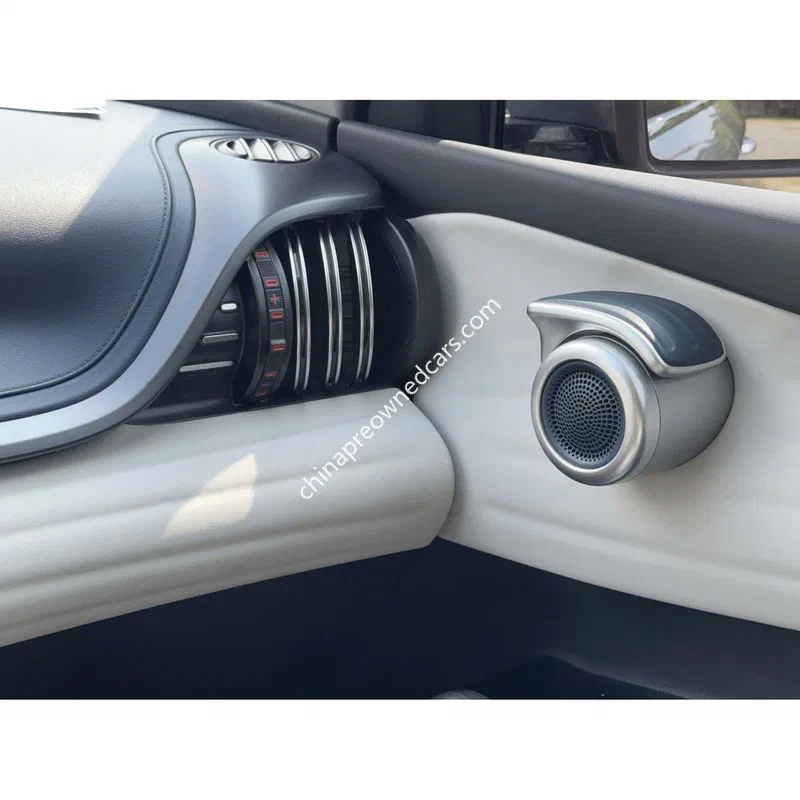
Used vehicle grading generally considers four areas: exterior and interior condition, mechanical health, mileage and maintenance history. Cosmetic grading identifies visible damage, including paintwork inconsistencies, dents, corrosion, worn upholstery and damaged trim. Mechanical assessment examines the engine, transmission, suspension, steering, brakes, electrical systems and signs of previous accident repairs. Mileage provides additional context, but it should never determine the grade by itself. A higher-mileage vehicle with documented servicing may present less risk than a low-mileage vehicle with an unclear history.
Service records help establish whether routine maintenance was performed and whether major components have been repaired or replaced. Buyers should compare recorded mileage across service documents, inspection records and available vehicle history information. VIN verification is also important for confirming the vehicle’s identity and checking available accident or registration records. An inspection report should describe the actual findings rather than simply assign a grade. Export-grade and dealer-grade are commercial descriptions, not universal technical certifications. In practice, they should mean that a vehicle has undergone documented checks and meets the agreed purchasing standard. Neither term guarantees the absence of hidden defects. A pre-shipment inspection can identify visible damage, operational faults and discrepancies in vehicle identification, but it cannot establish every aspect of long-term reliability. Intermittent electrical faults, concealed structural repairs and incomplete service histories may require further investigation. For the BYD Atto 3, battery state-of-health deserves particular attention. A standard mechanical inspection does not replace battery diagnostics.
Customs valuation, documents and clearance
Condition assessment also affects the commercial discussion, although the purchase invoice does not necessarily determine the final customs value. Import duties are commonly calculated using the CIF basis: vehicle cost, insurance and freight to the destination port. Additional taxes, levies and age-related charges may apply according to the destination’s current tariff and valuation rules. Ghana, for example, uses vehicle valuation procedures that consider identification details and vehicle age. Some markets also apply customs reference values rather than accepting an overseas invoice without further review. In Uganda, the revenue authority publishes a used-vehicle valuation database. Buyers should therefore distinguish between the negotiated purchase price and the value accepted by destination customs. If an authority questions the declared value, supporting evidence may include the commercial invoice, payment records, vehicle photographs, inspection report and VIN details. An unexplained difference between the declared price and the customs assessment can lead to additional verification, revised duties or clearance delays. Nigeria requires particular attention to import documentation. Form M is processed through an authorised dealer bank, while the Pre-Arrival Assessment Report (PAAR) supports the customs assessment before arrival. The commercial invoice, insurance certificate, shipping documents and applicable certificate of origin or combined certificate of value and origin should also be checked with the clearing agent. The agent coordinates declarations, duty assessment and release procedures, but the importer remains responsible for confirming the accuracy of the documents. Before shipment, buyers should also verify destination restrictions on vehicle age, emissions, roadworthiness and driving position. Most Chinese domestic vehicles are left-hand drive, which creates a significant compatibility issue for Kenya, where right-hand-drive requirements apply. RoRo shipping and container loading are both available, subject to vehicle and route suitability. Missing paperwork, valuation disputes, inspection discrepancies and incorrect vehicle details can all delay release and increase port storage costs. Buyers should settle the inspection scope, documentary responsibilities and payment milestones before authorising shipment.
FAQ
Q: Does lower mileage always mean a better used vehicle?
A: No. Mileage should be assessed alongside maintenance records, mechanical condition and evidence of previous repairs. A well-maintained vehicle with higher mileage may be a more suitable purchase.
Q: Can an inspection report guarantee a vehicle’s condition?
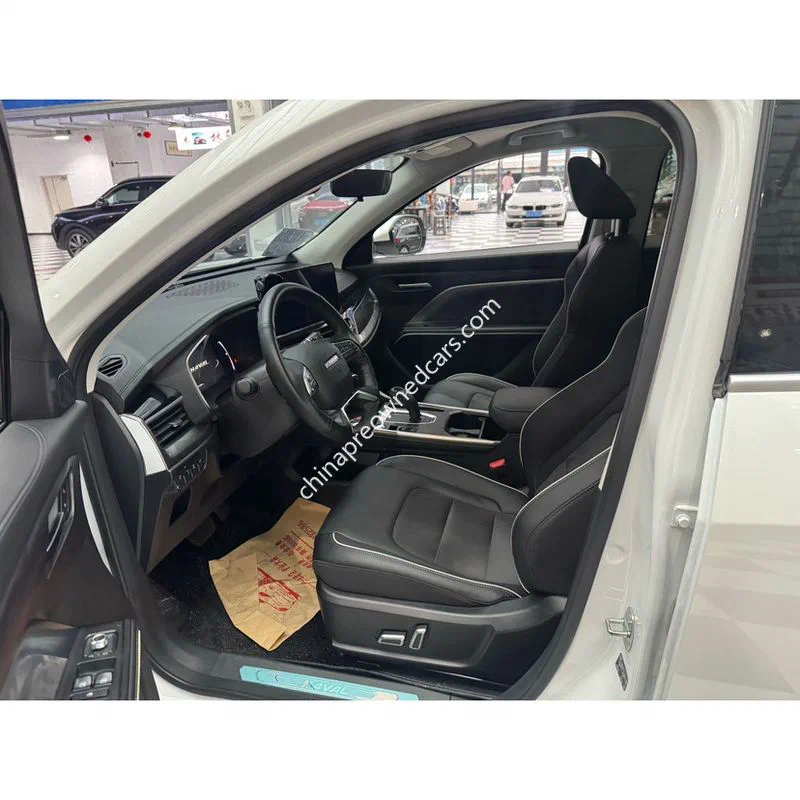
A: No. It records findings within the inspection’s scope and at the time of examination. Hidden defects, intermittent faults and future mechanical problems cannot be ruled out completely.
Q: How does vehicle condition affect import duty?
A: Condition can influence the negotiated purchase price, but customs authorities may apply their own valuation methods, including reference values and age-related adjustments. Buyers should confirm the current CIF valuation and applicable charges with a destination-country clearing agent before purchase.