Assessing the quality of pre-owned vehicles is essential for buyers in the export market. This process involves understanding various grading systems, inspection protocols, and documentation requirements that ensure the vehicle meets the necessary standards for overseas markets, particularly in Africa, the Middle East, and South America.
Vehicle Condition Grading
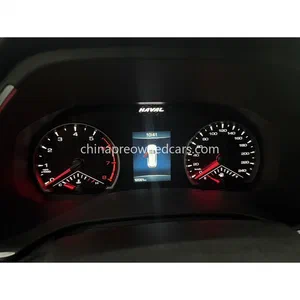
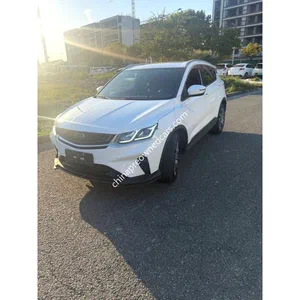
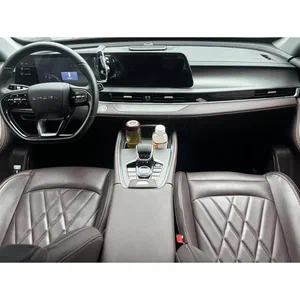
Used vehicles are typically assessed based on several criteria, including cosmetic condition, mechanical health, mileage, and service history. Grading systems often categorize vehicles into different classes, such as “export-grade” or “dealer-grade.” Export-grade vehicles usually have a good exterior appearance, sound mechanical components, and a verifiable service history. In contrast, dealer-grade vehicles may require cosmetic repairs and thorough inspections. Buyers should examine these grades closely, as they indicate the vehicle’s readiness for import and resale.
Inspection Protocols
A comprehensive inspection covers critical aspects of a vehicle’s condition. Key areas of focus include engine performance, transmission functionality, suspension integrity, and overall safety features. However, it is essential to understand that inspections may not always cover every detail. For example, while a mechanic might verify the condition of the engine, they may not assess the state of the battery in electric vehicles, which is vital for performance. Buyers should consider requesting a detailed inspection report and verify its authenticity.
Red Flags to Watch For
When assessing a vehicle’s condition, certain red flags can indicate potential issues. Signs of accident history, such as uneven body panels or mismatched paint, can suggest significant damage. Buyers should also be cautious of unusually low mileage, as this may indicate odometer tampering. Additionally, verifying the vehicle identification number (VIN) can help confirm the vehicle’s history against official records. Understanding these warning signs can aid buyers in making informed decisions.
Export Procedures and Documentation
Exporting used vehicles from China involves specific procedures that must be followed. This includes obtaining export licenses, completing customs declarations, and conducting pre-shipment inspections. Required documentation typically includes Form M, the Pre-Arrival Assessment Report (PAAR), and a certificate of origin. Proper documentation is crucial, as it facilitates smoother customs clearance in the destination country. Delays can occur if any document is missing or incorrect.

Customs and Duty Considerations
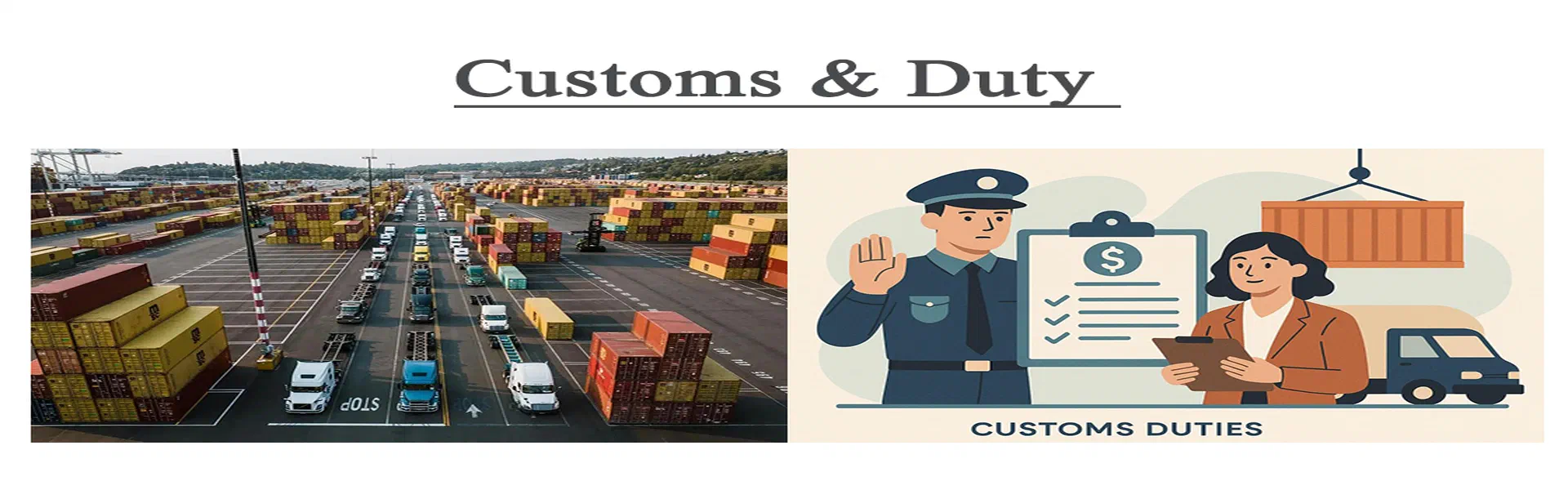
Import duties are generally calculated based on the cost, insurance, and freight (CIF) basis. Duty rates and any potential age penalties vary by market, so buyers should confirm the current regulations for their destination. Customs clearance can be complicated, and a local clearing agent often plays an essential role in navigating the process. Delays can stem from valuation disputes or incomplete documentation, making it vital to prepare thoroughly to avoid shipment setbacks.
Practical Buyer Guidance
Before purchasing a used vehicle, buyers should conduct thorough due diligence. This includes verifying the vehicle’s condition through a pre-purchase inspection, understanding payment terms, and confirming shipping lead times. Typically, shipping times can range from 15 to 25 days, depending on the method used—whether RoRo or container shipping. After-sales support is also an important consideration, ensuring that buyers have assistance available in case of post-purchase issues.
Conclusion
Assessing the quality of pre-owned vehicles and understanding the logistics involved in exporting them is vital for success in the international market. Buyers should prioritize thorough inspections, proper documentation, and knowledge of customs regulations to ensure a smooth acquisition process. Each factor plays a significant role in the vehicle’s overall readiness for export and resale.
FAQ
Q: What does “export-grade” mean for a vehicle?
A: Export-grade typically indicates that a vehicle is in good cosmetic and mechanical condition, suitable for international markets.
Q: How can I verify the vehicle’s service history?
A: Buyers should request a detailed service history report from the seller or check with authorized service centers that maintained the vehicle.
Q: What documents are required for customs clearance?
A: Key documents include Form M, the Pre-Arrival Assessment Report (PAAR), and a certificate of origin, among others.