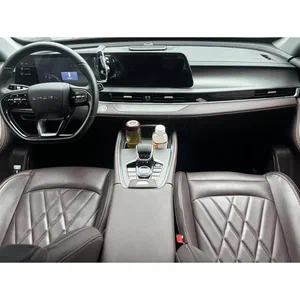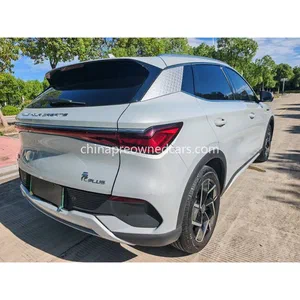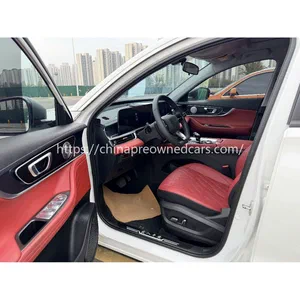

Assessing the quality of used vehicles is crucial for buyers looking to import from China. Vehicles are typically graded based on several factors including their cosmetic condition, mechanical health, mileage, and service history. A thorough inspection process is essential to determine the vehicle’s suitability for export markets. Buyers should be aware of terms such as “export-grade” or “dealer-grade,” which indicate specific standards regarding vehicle condition. However, verifying these claims can be complex; it’s advisable to conduct a pre-purchase inspection and check for any red flags such as excessive wear, rust, or mechanical issues.
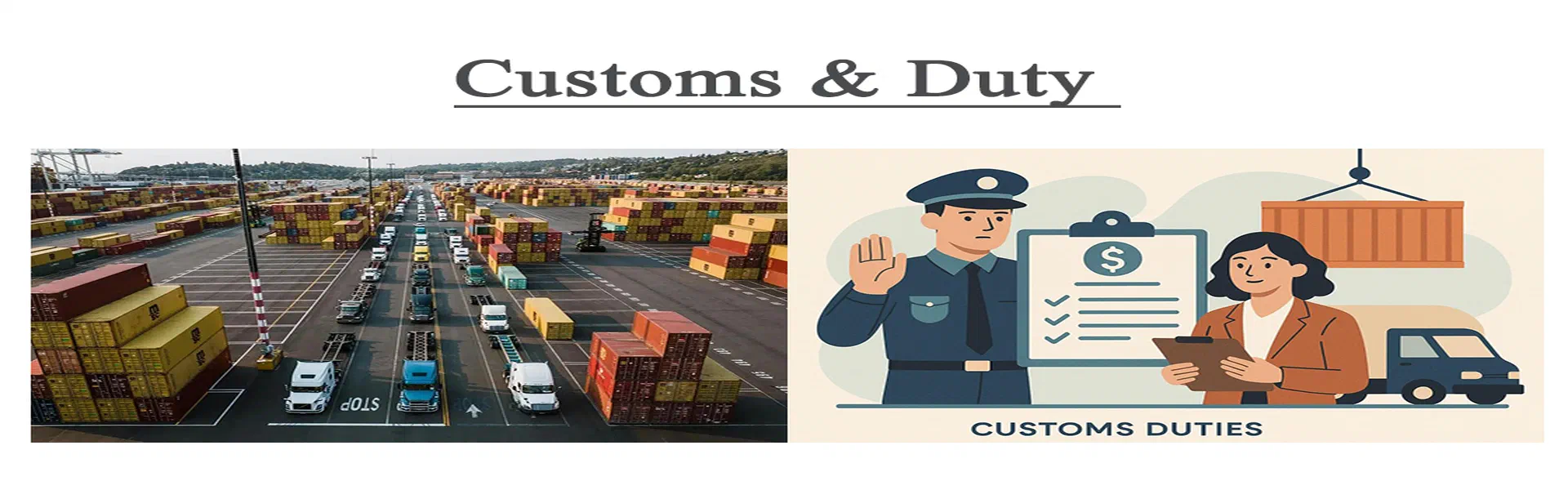
Export procedures also play a significant role in the transaction. Vehicles must undergo inspection, customs clearance, and documentation before shipping. Buyers should understand that shipping methods vary, with options for RoRo (Roll-on/Roll-off) and container shipping. Required documents typically include a certificate of origin, Form M, and a PAAR. Additionally, buyers must consider that customs duties are usually calculated on a CIF (Cost, Insurance, and Freight) basis, with potential penalties for older vehicles. Engaging a clearing agent can help navigate these processes, but delays may occur due to incomplete documentation or valuation disputes.

For those interested in used cars for cheap under $1000, it’s important to recognize the specific import regulations in destination markets such as Ghana, Nigeria, and Kenya. Each country has its own rules regarding vehicle age, emission standards, and left-hand drive requirements. Buyers should ensure they verify the current regulations and assess the vehicles’ compliance. This diligence is essential not only for a smooth import process but also for ensuring the vehicle’s long-term viability in the target market.
FAQ
Q: What aspects should I check during a vehicle inspection?
A: Focus on the vehicle’s cosmetic condition, mechanical health, mileage, and service history. A detailed inspection will help identify any underlying issues.
Q: What documents are required for customs clearance?
A: Essential documents include the certificate of origin, Form M, and PAAR. Ensure all paperwork is complete to avoid delays in the shipping process.