
Assessing the quality of pre-owned vehicles is crucial for buyers in the used vehicle export market, especially for models like the BYD Atto 3 and Chery Tiggo 7 Plus. Vehicle condition and grading significantly influence the pre owned car price, impacting the overall value and suitability for various markets. Buyers need to understand how vehicles are assessed, what inspection processes entail, and how to verify the condition claims made by sellers.
Vehicle grading typically covers several aspects, including cosmetic appearance, mechanical health, mileage bands, and service history. Cosmetic condition evaluates the exterior and interior for dents, scratches, and wear. Mechanical health refers to the engine, transmission, and other critical systems, while mileage bands categorize vehicles based on the distance driven, which can affect longevity and performance. A comprehensive service history can add value but should be verified through documentation to ensure its authenticity.
When sourcing vehicles for export, “export-grade” or “dealer-grade” designations indicate a higher standard of condition, making them more suitable for international markets. However, these terms can be subjective. Buyers should conduct thorough checks, including obtaining inspection reports and ensuring proper pre-shipment inspections are completed. This is essential for confirming claims about the vehicle’s condition and mitigating risks associated with purchasing used cars.

The inspection process typically includes mechanical checks, emissions testing, and documentation verification. Buyers should note that while inspections cover many aspects, they may not guarantee the absence of hidden defects. It is advisable to conduct a pre-purchase inspection, which can reveal issues not covered in standard inspections. Red flags to watch for include irregularities in the vehicle’s service history, signs of previous accidents, and discrepancies in mileage.
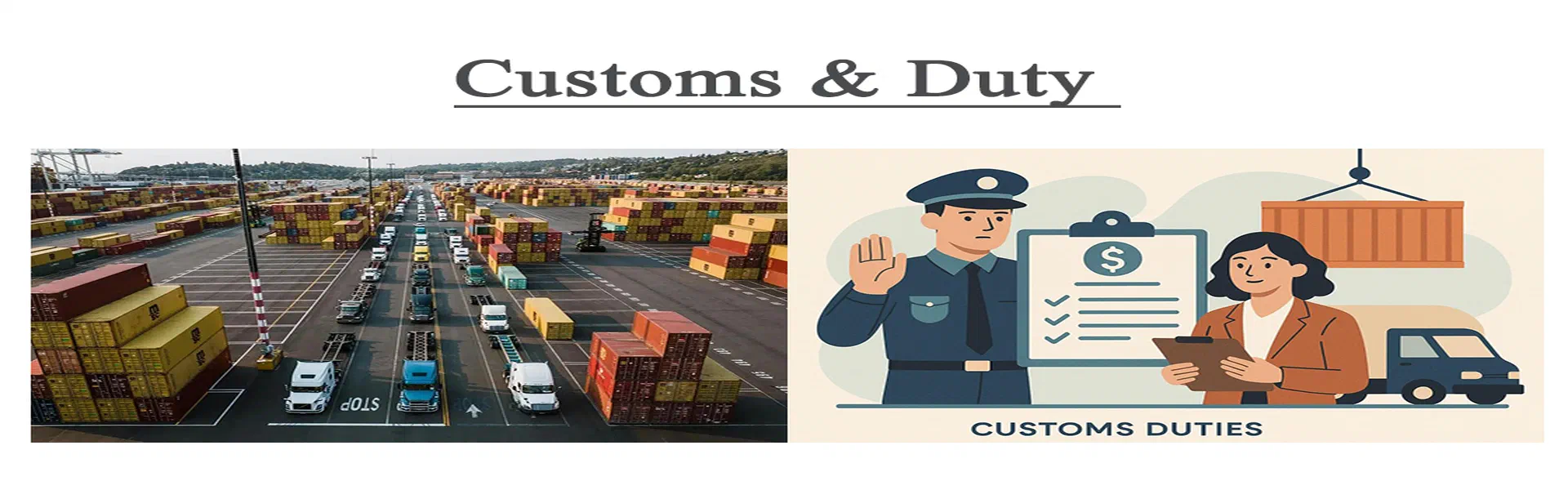
Understanding customs and duty procedures is also vital. Duty calculations are usually based on the Cost, Insurance, and Freight (CIF) value of the vehicle, potentially including penalties for older vehicles. Required documents such as the Form M, PAAR, and certificate of origin must be prepared accurately to avoid delays. A clearing agent typically facilitates the customs clearance process, ensuring all documentation is in order and helping to navigate local regulations.
Delays in shipments can occur due to various factors, including incomplete documentation, customs inspections, and the chosen shipping method. Vehicles can be shipped via RoRo (roll-on/roll-off) or in containers, each with its own advantages and considerations regarding cost and security. Buyers should discuss shipping lead times upfront and factor them into their plans.
For those considering vehicles like the Geely Coolray or Haval H6, it is essential to be aware of market-specific requirements. Many of the vehicles in the current inventory are left-hand drive, which may not meet the needs of all markets. Additionally, emission standards and import regulations can vary significantly by destination. Buyers should confirm the current rules for their specific countries, such as Ghana or Nigeria, as these can change frequently.
In summary, buyers in the used vehicle export market must conduct thorough due diligence on vehicle condition, inspection processes, customs procedures, and market regulations to ensure a successful transaction. Understanding these aspects can aid in making informed decisions and ultimately lead to a more satisfactory purchase.
FAQ
Q: What should I verify before purchasing a pre-owned vehicle? A: Buyers should verify the vehicle’s service history, conduct a pre-purchase inspection, and check for any signs of previous damage or irregularities.
Q: What documents are required for customs clearance? A: Required documents typically include the Form M, PAAR, and a certificate of origin, among others, depending on the destination country’s regulations.