Certified previously owned cars can be prepared for overseas export when they pass required checks and meet the import rules of the destination market. They are not automatically ready for shipment; exporters must complete inspection, licensing, customs procedures, and document preparation before departure.
Customs and duty preparation for exported used vehicles
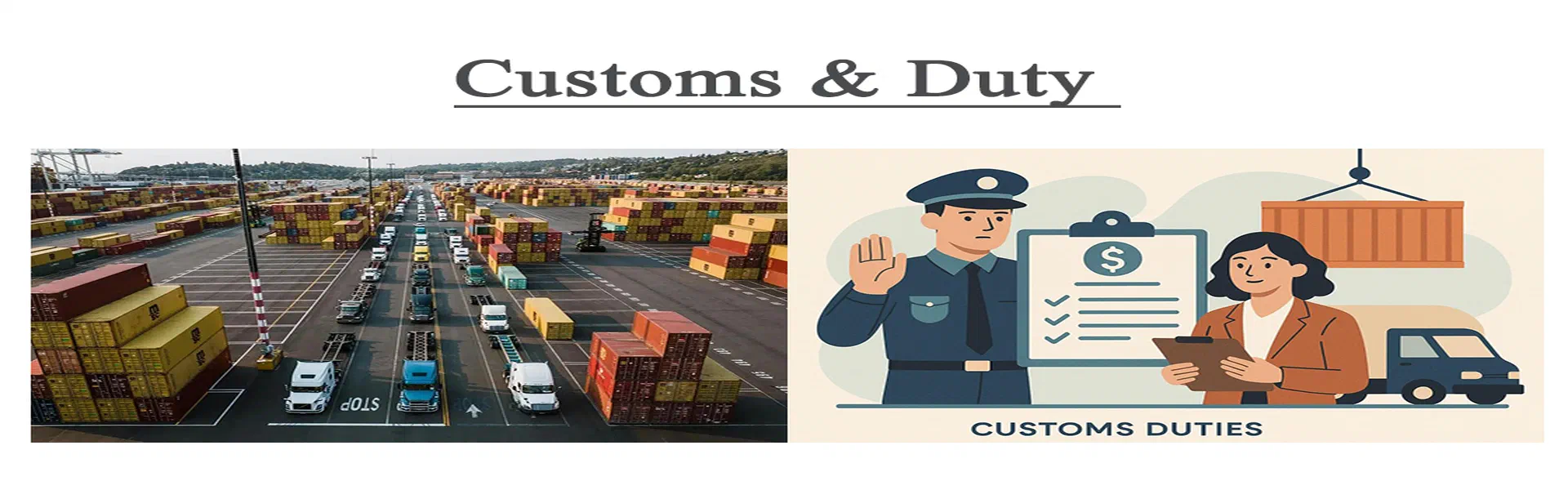
For buyers importing Chinese used vehicles such as BYD Atto 3, Chery Tiggo 7 Plus, Chery Tiggo 8 Pro, Geely Coolray, and Haval H6, customs valuation is a key part of the process. Import duties and related charges are normally calculated using the declared customs value, often based on the CIF value, which includes the vehicle cost, insurance, and freight. Some markets may apply additional considerations related to vehicle age or other classification factors, so the current rules of the destination country should be confirmed before shipment.
Customs authorities may review the declared value if they believe the documentation does not match market conditions. A valuation dispute can delay clearance while additional information is requested. Exporters and buyers should keep purchase records, inspection documents, shipping documents, and vehicle identification details consistent across all paperwork. A professional clearing agent in the destination market can help manage local submission procedures and communication with customs authorities.
Documents and export inspection requirements
China used vehicle exports require export licensing, customs declaration, and pre-shipment inspection before the vehicle leaves the country. Common export documents include the commercial invoice, packing or shipping documents, certificate of origin where applicable, vehicle ownership and export documents, and inspection records. For Nigeria imports, buyers may also need documents such as Form M and PAAR according to current local procedures.

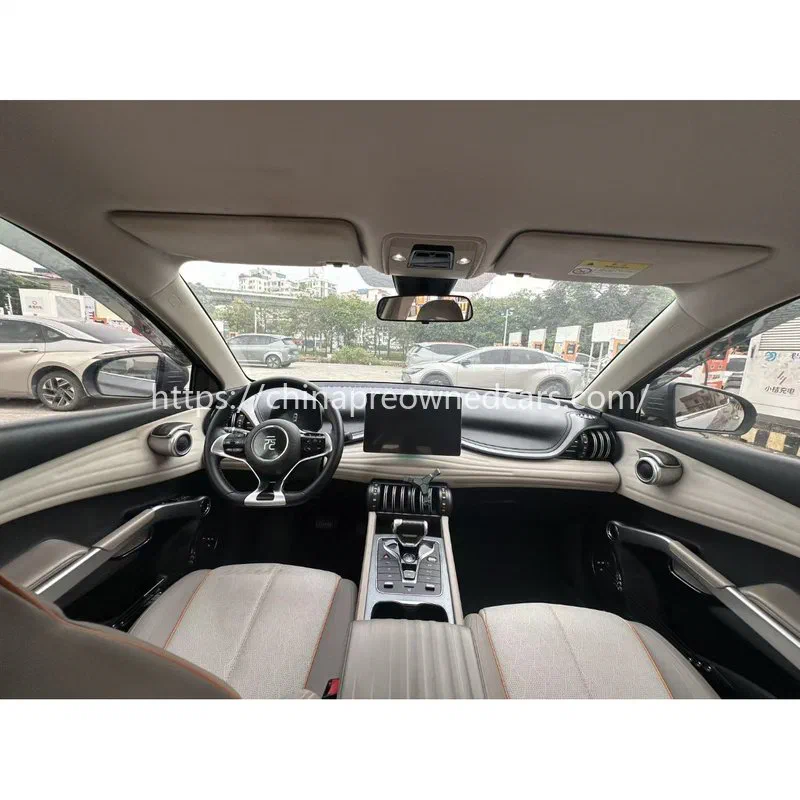
Before purchase, buyers should verify the vehicle identification number, inspection findings, maintenance records where available, and condition grading information. Used electric vehicles require additional review of battery health because battery condition affects operating range and long-term use. Battery transport requirements may also affect shipping arrangements compared with combustion vehicles.
Shipping method depends on destination, vehicle type, and logistics planning. RoRo shipping allows vehicles to be driven onto a specialized vessel, while container shipping protects vehicles inside enclosed units and may suit certain routes or cargo arrangements. Exporters coordinate customs clearance in China, shipping documents, and port procedures, but the importer remains responsible for meeting destination requirements.
Market checks before shipment
Markets including Ghana, Nigeria, Kenya, Uganda, and Tanzania each set their own requirements for vehicle age, emissions, roadworthiness, and driving side. Most Chinese domestic vehicles are left-hand drive, so buyers in markets that require right-hand-drive vehicles need to confirm availability before selecting a model. Import rules can change, and local authorities should be consulted before finalizing an order.


A reliable export process depends on clear communication before payment and shipment. Buyers should confirm payment terms, inspection scope, shipping arrangements, and after-sales support options with the exporter. These checks reduce avoidable delays and help ensure the selected vehicle matches the intended market conditions.
FAQ
Q: Are certified previously owned cars accepted for export to Africa? A: Acceptance depends on the destination country’s import regulations, including vehicle age, emissions, drive side, and inspection requirements. Buyers should confirm current rules with local authorities or customs agents.
Q: What causes customs clearance delays for used vehicle imports? A: Common causes include incomplete documents, valuation questions, inspection issues, and differences between declared information and customs requirements. Working with experienced export and clearing partners can help reduce processing problems.