Ghana’s import costs for used SUVs depend on more than the vehicle purchase price. Customs valuation, import duties, vehicle age, emissions classification and clearance documentation all affect the final landed cost. Buyers sourcing SUVs from China should assess these requirements before selecting a vehicle, particularly when comparing left-hand-drive models for Ghana’s right-hand-drive roads.
Ghana’s import rules and vehicle suitability
Ghana operates a right-hand-drive road system, while most vehicles sourced from China are left-hand drive (LHD). This is a fundamental purchasing consideration. A low purchase price does not make an LHD SUV suitable for ordinary road use in Ghana. Buyers should confirm the current rules governing right-hand-drive imports and any restrictions or exceptions before making payment. The same checks apply to vehicles being considered for Nigeria, Kenya, Uganda and Tanzania, where import requirements differ.
Vehicle age and emissions also influence import eligibility and customs costs. Ghana has regulations affecting older vehicles, environmental compliance and the importation of certain vehicle categories. Applicable age restrictions, emissions requirements and penalties should be checked against current Ghana Revenue Authority and customs guidance before shipment. Buyers should establish the vehicle’s manufacturing year, first registration date and applicable emissions classification from supporting records rather than relying solely on a seller’s description.
Road and climate conditions matter alongside customs eligibility. Ghana’s roads range from paved urban routes to uneven regional roads, while heat, humidity and seasonal rainfall can expose weaknesses in cooling systems, suspension components, tyres and electrical equipment. The Haval H6 and Chery Tiggo 8 Pro offer SUV body configurations suited to buyers who need more cabin space, while the Geely Coolray is a smaller option for urban use. The Chery Tiggo 7 Plus provides another middle-sized SUV choice. Buyers should compare ground clearance, tyre condition, cooling performance and suspension wear using an inspection report. A vehicle that meets customs requirements may still need repairs before local operation.

Customs valuation, duties and clearance documents
Ghanaian import duties and taxes are generally assessed using the customs value of the shipment, with the CIF basis providing an important reference. CIF represents the cost of the vehicle, insurance and freight to the destination port. Customs authorities may apply the relevant tariff classification and additional taxes or charges when calculating the amount payable. Vehicle age and applicable import restrictions can also affect the assessment. Older vehicles may attract additional charges or face eligibility restrictions, depending on the rules in force. Buyers should obtain a current landed-cost estimate from a Ghanaian clearing agent rather than calculate the budget using the purchase invoice alone.
Customs valuation deserves particular attention when importing cheap cheap used cars from China. The declared purchase price may not automatically be accepted as the final customs value. If customs considers the declared value inconsistent with its valuation references or supporting evidence, it may reassess the shipment. This can increase the payable amount and delay clearance. Buyers should retain the commercial invoice, payment records, vehicle identification number (VIN), export declaration and transport documents. Where a valuation dispute arises, the clearing agent can help prepare supporting evidence and explain the applicable review process. An artificially low invoice is not a dependable way to reduce import costs.
Documentation should be prepared before the vehicle leaves China. The exporter normally coordinates the export licence, customs declaration, pre-shipment inspection and shipping arrangements. The buyer or appointed clearing agent should confirm the documents required for Ghanaian import clearance. These commonly include:
- Commercial invoice showing the transaction value and vehicle details.
- Bill of lading identifying the shipment and consignee.
- Certificate of origin supporting the vehicle’s country of origin.
- Export customs declaration and applicable inspection documents.
- Importer registration and tax identification information where required.
- Form M and Pre-Arrival Assessment Report (PAAR), where applicable under the relevant import procedure.
Form M and PAAR are particularly associated with Nigeria’s import process, not a universal Ghanaian requirement. Ghanaian buyers should follow the documentation procedure prescribed by Ghanaian customs and their authorised clearing agent. Using paperwork intended for another destination can create unnecessary problems.
Shipping arrangements also affect the customs process. RoRo shipping carries vehicles aboard a specialised vessel, while container shipping places vehicles inside a freight container. RoRo can suit standard running vehicles, whereas container transport may offer additional protection and accommodate certain loading arrangements. The bill of lading, consignee details and vehicle identification must match the commercial documents. Incorrect descriptions, missing inspection records or inconsistent invoice values can hold up processing at the destination port. Port storage and demurrage charges may accumulate while documentation or valuation issues remain unresolved.
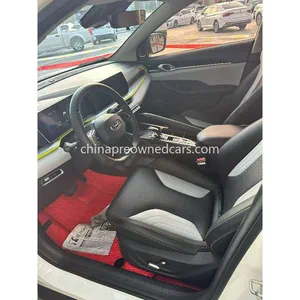
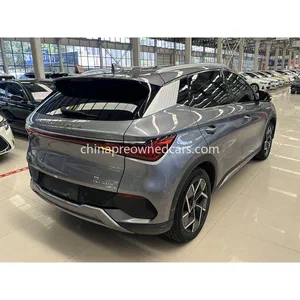
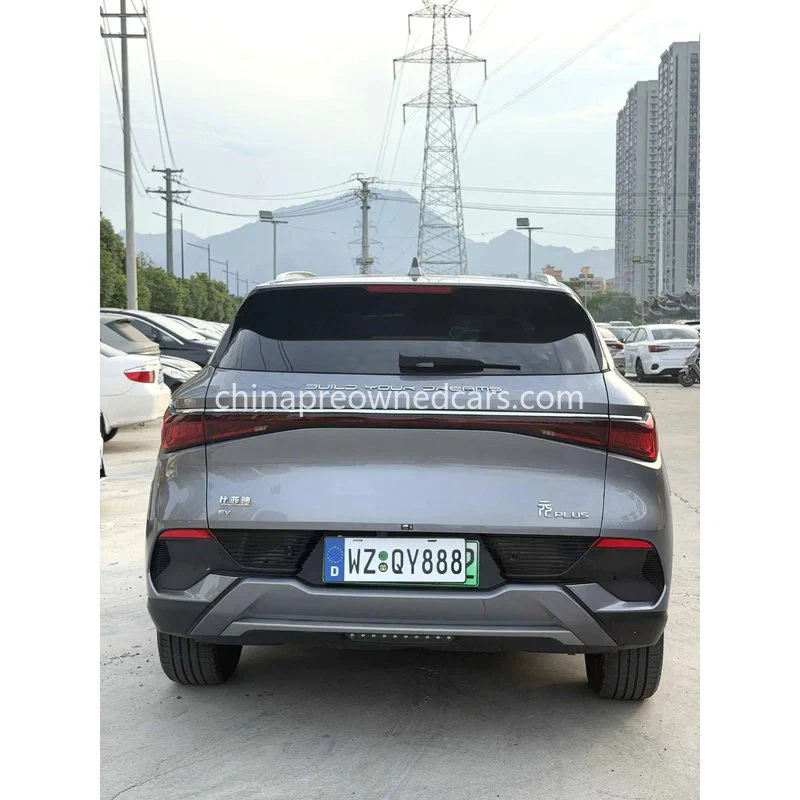
For Ghanaian buyers, the purchase decision should begin with eligibility and landed cost, not the advertised vehicle price. An LHD BYD Atto 3 may be attractive as an electric SUV, but its charging compatibility, battery state of health and road-use eligibility require separate verification. Ghana’s charging network and local maintenance capacity should also be considered before choosing a used EV. Combustion-engine SUVs such as the Geely Coolray, Haval H6 and Chery models avoid some battery-related concerns, but buyers must still verify engine condition, transmission operation, cooling performance and service history. A pre-purchase inspection should record the VIN, mileage, visible damage, diagnostic findings and any previous repairs. For an EV, request battery health information and confirm that the charging equipment is compatible with local infrastructure. Payment terms, inspection responsibilities and the handling of unexpected repair findings should be agreed in writing before the exporter arranges shipment.
FAQ
Q: Are left-hand-drive used SUVs from China suitable for import into Ghana?
A: Ghana uses right-hand-drive vehicles, so LHD imports require careful regulatory verification. Buyers should confirm current eligibility and any applicable exceptions before purchasing.
Q: How are customs duties calculated on used SUVs imported into Ghana?
A: Customs calculations generally use the CIF value, together with the applicable tariff classification, taxes and other charges. Vehicle age and current import rules may also affect the final assessment.
Q: What documents should buyers prepare for used SUV imports?
A: Common documents include the commercial invoice, bill of lading, certificate of origin, export declaration and inspection records. Ghanaian buyers should confirm destination-specific requirements with their clearing agent before shipment.