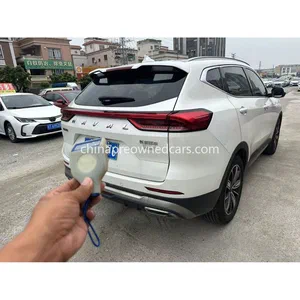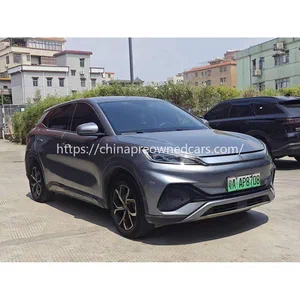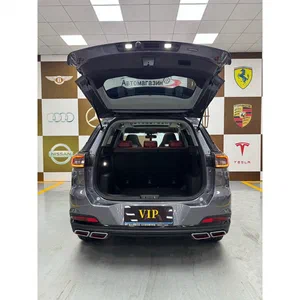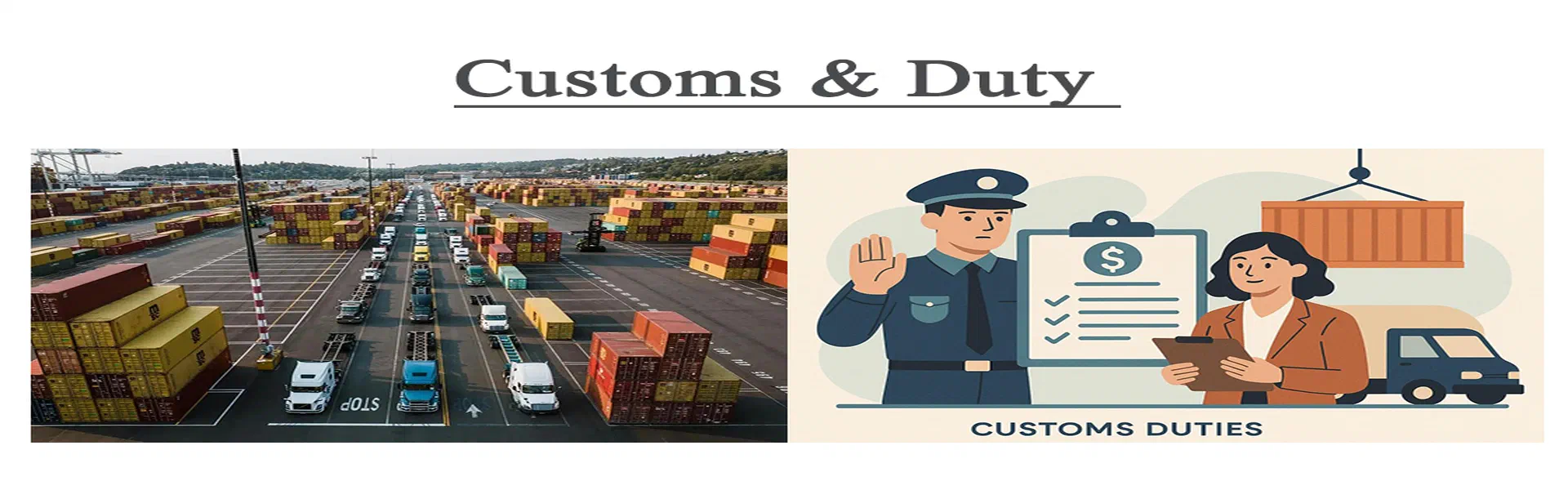

This article covers how Chinese used SUVs are prepared for export to Ghana and nearby African markets, with a focus on customs, duties, and vehicle suitability. It explains what importers should review before selecting a vehicle and arranging shipment from China. The main models discussed are BYD Atto 3, Chery Tiggo 7 Plus, Chery Tiggo 8 Pro, Geely Coolray, and Haval H6.
Ghana importers usually evaluate more than the purchase cost of a vehicle. Local road conditions, climate, fuel availability, charging access, and government import procedures all affect whether a vehicle is practical. Chinese SUVs from domestic sourcing channels can meet different buyer needs, including electric and hybrid options, but the vehicle specification must match the destination requirements. Most Chinese domestic vehicles are left-hand drive, so buyers should confirm that this configuration is acceptable for Ghana and any regional market where the vehicle may be used.
Vehicle selection and Ghana market considerations
The BYD Atto 3 is an electric SUV option for buyers considering new energy vehicles, while Chery Tiggo 7 Plus, Chery Tiggo 8 Pro, Geely Coolray, and Haval H6 provide SUV choices with conventional power systems. For Ghana, vehicle selection should consider charging infrastructure, maintenance access, and expected usage conditions. Electric vehicles require additional checks on battery condition, including battery state of health, charging history, and transport requirements related to battery systems.
Buyers looking for used cars lowest price options should still prioritize vehicle history and inspection results over the initial purchase figure. A lower acquisition cost does not remove the need to check mileage records, accident history, service records, and exterior and mechanical condition. Exporters should provide available inspection information so buyers can assess each vehicle before shipment decisions are made.
Customs clearance and export documentation
Chinese used vehicle exports involve several stages before a vehicle reaches Ghana. The exporter must hold the required export license, complete customs declaration procedures, and arrange pre-shipment inspection. Vehicles are shipped through RoRo or loaded into containers depending on shipment requirements, vehicle type, and buyer preference.
Import customs procedures in Ghana depend on local regulations and customs assessment methods. Import charges are commonly calculated using the CIF value, which includes the vehicle cost, insurance, and freight. Some customs systems apply adjustments related to factors such as vehicle age, valuation rules, or classification. These requirements can change, so importers should confirm the current rules with local authorities or a licensed clearing agent.
Reducing delays during import
Documentation accuracy is a key part of avoiding customs delays. For Nigeria-bound trade, importers may need documents such as Form M and PAAR, along with export documents, certificate of origin, shipping documents, and vehicle information. Requirements differ by destination, so paperwork should be prepared according to the receiving country’s procedures.
Valuation disputes can occur when customs authorities question the declared vehicle value or supporting documents. A professional clearing agent helps manage communication with customs offices, submit required records, and resolve documentation issues. Common causes of delay include incomplete paperwork, incorrect declarations, missing inspection records, and differences between exporter documents and customs requirements.
Preparing vehicles for overseas buyers
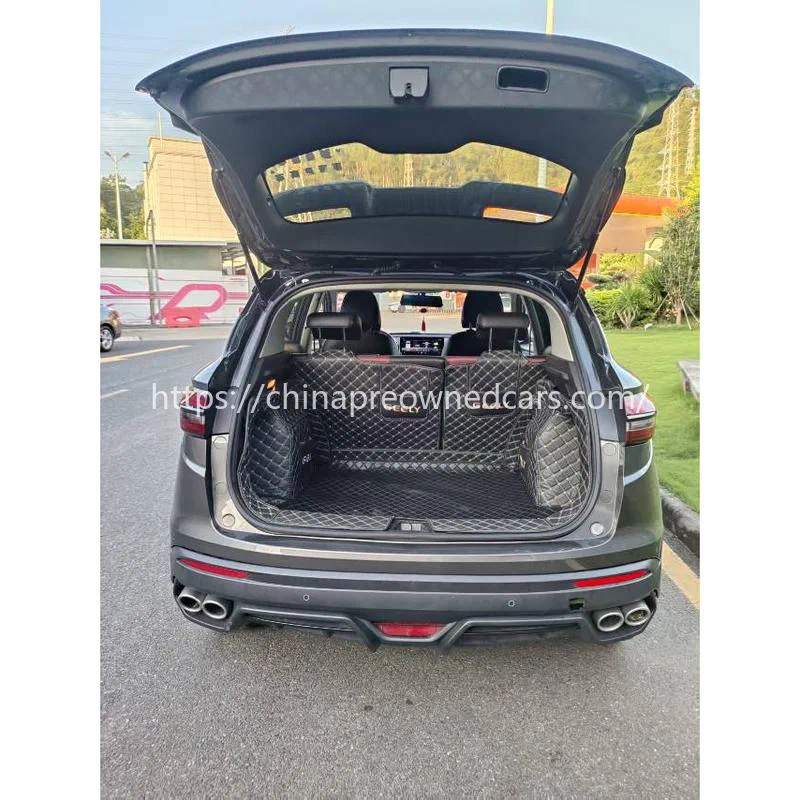
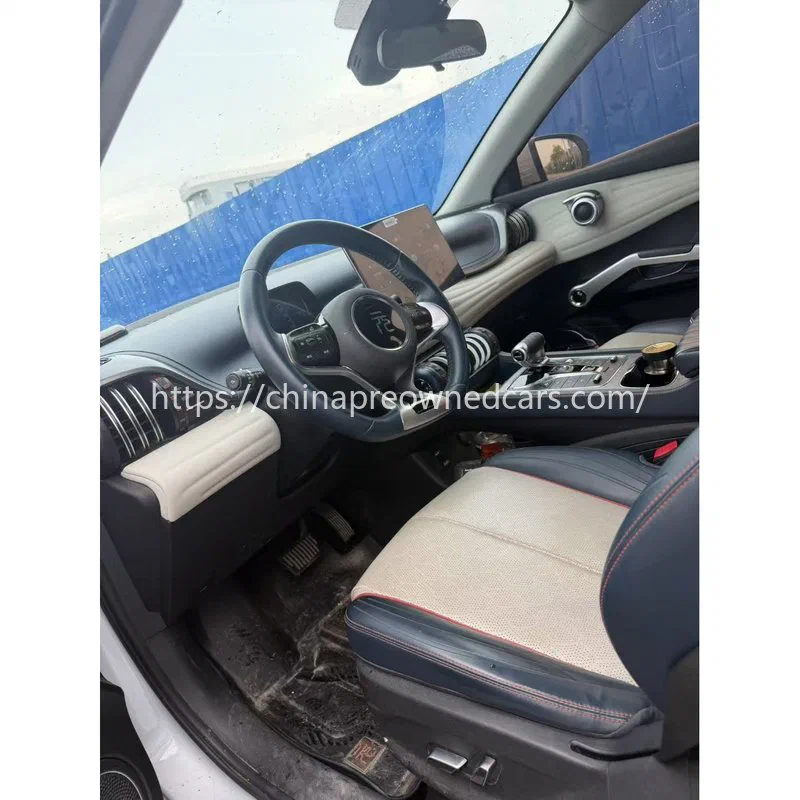
Before purchase, buyers should request a detailed review of the vehicle condition. Important checks include VIN verification, available service history, battery assessment for electric models, and inspection of mechanical and body components. Condition grading should describe the vehicle based on inspection findings rather than making guarantees about future performance.
Destination rules also require attention. Ghana, Nigeria, Kenya, Uganda, and Tanzania may have different requirements for vehicle age, emissions, drive side, and roadworthiness. Importers should confirm current import regulations before selecting a vehicle because rules can change. A vehicle suitable for one market may not meet another market’s requirements.

Shipping planning and buyer verification
Shipping arrangements should be confirmed before final payment and export preparation. Buyers should review payment terms, expected shipping lead times, available after-sales support, and the responsibilities of each party during transport. Typical sea transport schedules vary according to route, port operations, customs procedures, and shipping method.
For Chinese used SUV exports, a clear process helps reduce uncertainty. The exporter, inspection provider, shipping company, and destination clearing agent each handle different parts of the transaction. Careful verification before shipment allows importers in Ghana and other African markets to select vehicles that fit local operating conditions and complete customs procedures with fewer problems.
FAQ
Q: What documents are commonly needed when importing used cars from China to Ghana? A: Documents usually include export paperwork, shipping documents, customs declarations, and vehicle information. Ghana importers should confirm the current document list with local customs authorities or a clearing agent.
Q: Are Chinese electric SUVs suitable for Ghana? A: Models such as BYD Atto 3 may suit buyers with access to charging facilities, but battery condition and local charging availability should be checked before purchase. Import requirements for electric vehicles should also be confirmed before shipment.