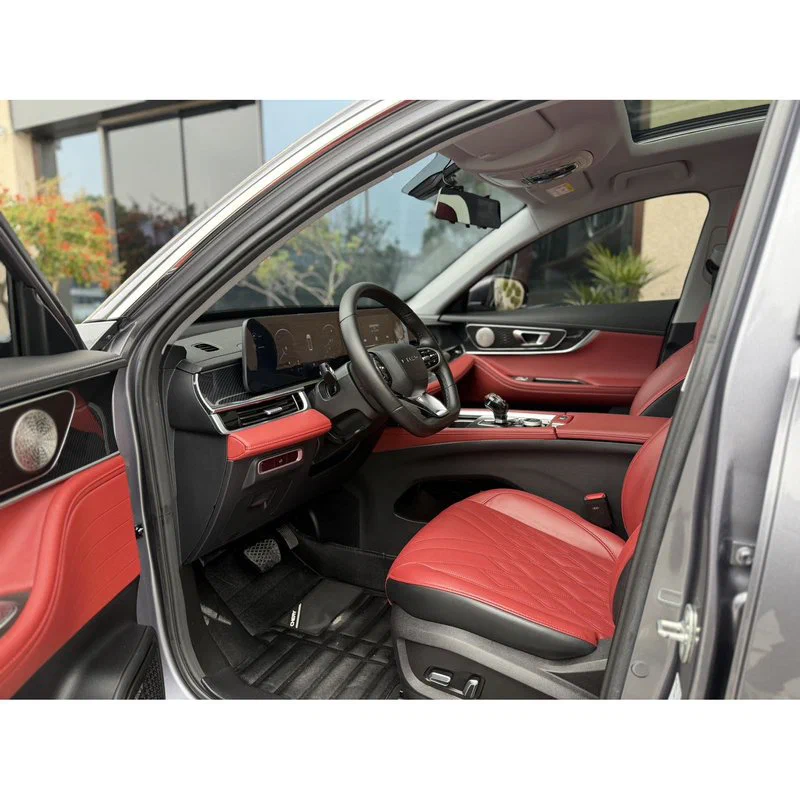
The Chery Tiggo 7 Plus and Haval H6 serve similar family SUV roles, but their suitability for export depends on more than cabin size or exterior styling. Buyers in Ghana, Nigeria, Kenya, Uganda and Tanzania should compare powertrain configuration, fuel requirements, maintenance access and destination import rules before selecting either model.
Powertrain and everyday operating costs
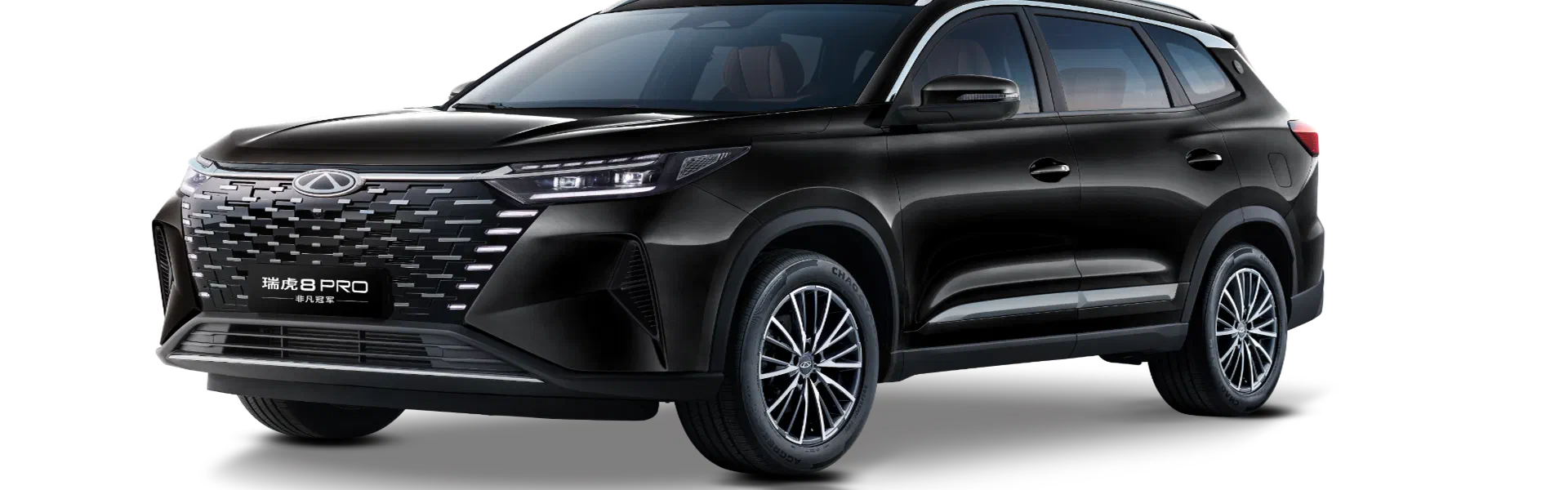
The Chery Tiggo 7 Plus is available in different powertrain configurations depending on model year and market specification. Petrol versions generally use turbocharged engines paired with automatic transmissions. Some configurations prioritise responsive acceleration, while others are calibrated for ordinary urban and highway driving. Buyers should confirm the exact engine displacement, transmission type and factory specification from the vehicle identification number (VIN), rather than relying on a model name alone.
The Haval H6 also has several engine and drivetrain configurations. Petrol turbocharged versions are common in export discussions, while hybrid variants are available in certain markets and model years. This distinction matters when estimating running costs. A conventional petrol H6 does not require charging infrastructure, whereas a hybrid introduces additional battery and electrical-system components that need inspection. The Tiggo 7 Plus should be assessed on the same basis: engine specification first, then actual fuel consumption records where available. Published consumption figures are useful for comparison, but traffic, road conditions, fuel quality and driving habits affect real-world results.
For families covering long distances, both conventional petrol options avoid dependence on public charging networks. A hybrid H6 may reduce fuel consumption in stop-start traffic, but the benefit depends on battery condition and operating conditions. Buyers should request diagnostic information, check for stored powertrain faults and inspect service records. A claimed fuel-saving advantage is not a substitute for evidence about the individual vehicle.
Export suitability: specifications, maintenance and compatibility
Parts availability can influence the long-term ownership cost more than small differences in engine output. Before choosing between the Tiggo 7 Plus and H6, importers should identify local workshops familiar with the relevant brand and powertrain. They should also check whether routine service items, suspension components, brake parts, electronic sensors and transmission components can be sourced locally or through regional distributors. A model with a lower purchase cost may become more expensive to maintain if specialist parts take longer to obtain.

Specification matching is equally important. Ghana, Nigeria, Kenya, Uganda and Tanzania each have their own vehicle import requirements, including rules that may cover vehicle age, emissions, roadworthiness and documentation. These requirements can change. Importers should verify the latest rules with the relevant customs authority or a licensed clearing agent before paying for a vehicle. Emission compliance should be checked against the actual engine and model-year specification, not inferred from the manufacturer’s brand or general model description.
Drive orientation requires particular attention. Most vehicles sourced from China’s domestic market are left-hand drive (LHD). This may suit markets where LHD vehicles are accepted, but it creates a significant restriction for destinations that require right-hand-drive vehicles. Buyers should confirm whether an LHD vehicle can legally be registered and operated in the intended destination before shipment. A vehicle that passes a mechanical inspection can still be unsuitable for import because of its steering configuration.
Charging compatibility becomes relevant when comparing hybrid versions with fully electric alternatives such as the BYD Atto 3. The Atto 3 is a battery-electric SUV, so charging connector type, charging speed, battery state of health and local charging access require separate checks. A hybrid H6 may reduce reliance on charging facilities, but its high-voltage battery still needs assessment. The Tiggo 7 Plus petrol version has no external charging requirement. This makes the exact powertrain a more useful buying distinction than the model badge alone.
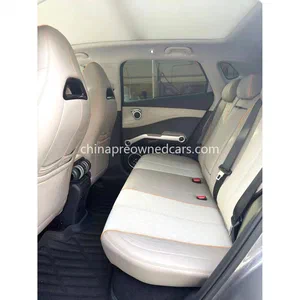
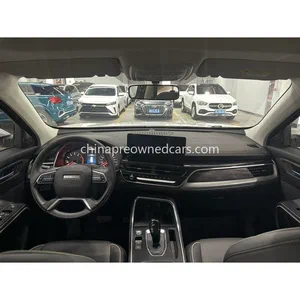
For household buyers, vehicle selection should also reflect the intended driver. A family may prioritise rear-seat access, visibility, parking dimensions and available safety equipment, while a household considering the best used car for teenager should pay particular attention to braking condition, tyre wear, driver-assistance equipment and ease of handling. Neither model should be assumed to have identical safety equipment across all production years and trim levels. Confirm the installed features through photographs, specification sheets and physical inspection.
Inspection and shipment considerations
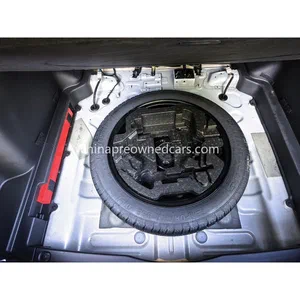
A pre-shipment inspection should establish the condition of the specific vehicle being purchased. The inspection should cover the engine, transmission, suspension, steering, brakes, tyres, air conditioning, electrical systems and evidence of previous accident repairs. For hybrid vehicles, battery diagnostic results should be included where available. Buyers should also compare the odometer reading with service documentation and available electronic records. Condition grading is useful for organising stock, but it does not replace a detailed inspection report.
China’s used vehicle export process requires the appropriate export licensing, customs declaration, documentation and pre-shipment inspection. Shipping arrangements are generally based on RoRo or container transport. RoRo can suit vehicles that meet carrier acceptance requirements, while container shipping offers a different loading arrangement and may be preferable when the shipment requires additional protection or consolidated cargo handling. The choice affects handling procedures and total logistics costs.
Before confirming an order, the buyer should receive the VIN, vehicle photographs, inspection findings, specification details and a written breakdown of payment and shipping terms. Export documentation should be checked against the destination’s clearance requirements. Shipping lead times depend on vessel schedules, port operations, customs processing and the chosen shipping method. After-sales support should also be discussed in advance, particularly for access to technical information, replacement parts and assistance with claims relating to discrepancies identified during inspection.
FAQ
Q: Is the Chery Tiggo 7 Plus or Haval H6 better for family use?
A: Both can serve as family SUVs. The better choice depends on the specific model year, engine configuration, cabin equipment, condition and availability of local maintenance support.
Q: Is a hybrid Haval H6 suitable for export to Africa?
A: It can be suitable where local import regulations and servicing arrangements permit. Buyers should verify battery condition, emissions compliance, drive orientation and access to hybrid-system maintenance before purchase.
Q: Can a left-hand-drive Chery Tiggo 7 Plus be imported into Ghana or Kenya?
A: Import eligibility depends on the current regulations and vehicle registration requirements in the destination country. Buyers should confirm LHD acceptance and applicable import conditions with local customs authorities before arranging shipment.